7 Mistakes You’re Making with Fleet Branding in the EV Era (and How to Fix Them)
They do not want you to know the three-second formula behind every high-impact fleet branding strategy in the burgeoning electric vehicle era. While many logistics managers believe that simply transitioning to a zero-emission fleet is sufficient to fulfill their environmental mandates, the visual execution of that transition often remains anchored in outdated paradigms. The arrival of electric trucks and vans presents a unique opportunity to redefine a brand identity, yet most companies continue to replicate the same design errors that plagued the internal combustion engine (ICE) age. As the industry moves toward a more sustainable future, understanding how to navigate the complexities of vehicle graphics and truck side advertising becomes paramount for maintaining a competitive edge.
The Legacy Layout Languor
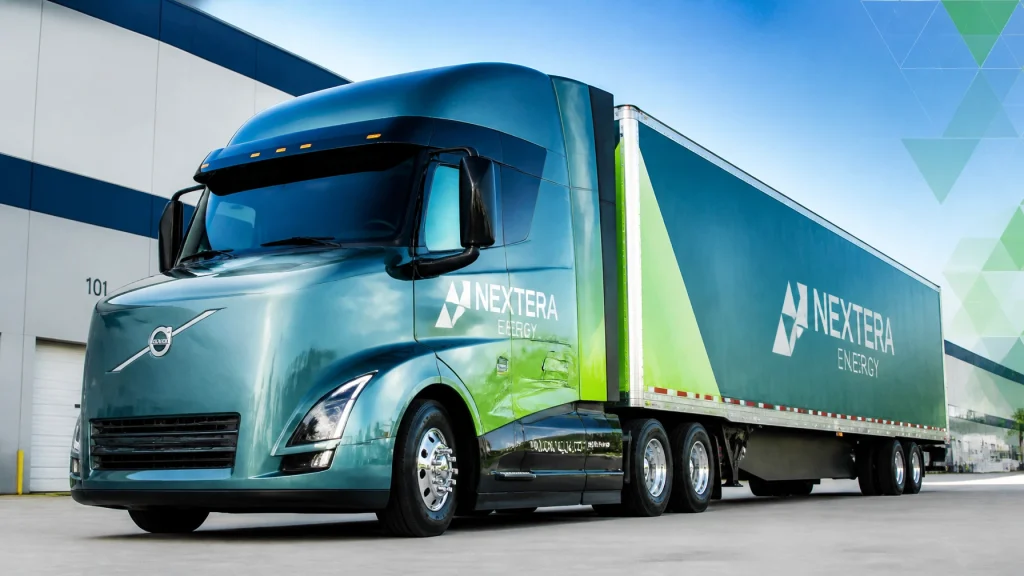
One of the most frequent errors in contemporary fleet advertising is the tendency to treat electric vehicles as if they were traditional diesel units. Many organizations simply port their existing "Legacy Layouts" onto new EV chassis without considering the narrative shift that electrification represents. An electric vehicle is a technological marvel and a symbol of corporate responsibility; therefore, the vehicle wraps must reflect this innovation. Utilizing cluttered, outdated graphics that do not highlight the modern nature of the fleet misses a critical opportunity to signal leadership in the energy transition. At We Ship Green, we emphasize that every square inch of a trailer is a canvas for your sustainability story, and failing to modernize that story can lead to brand stagnation.
Aerodynamic Adversity and Efficiency
In the world of electric logistics, range is the primary currency. A significant mistake made by fleet managers is the installation of protruding 3D hardware or rigid signage that disrupts the vehicle’s aerodynamic profile. Unlike traditional trucks, where fuel consumption is often viewed as a fixed operational cost, EV range is highly sensitive to drag and weight. Adding bulky branding elements can significantly reduce the distance a vehicle can travel on a single charge. Optimal solutions involve high-quality, low-profile vehicle graphics that adhere strictly to the contours of the truck. This ensures that your mobile highway advertising does not become an operational liability. According to reports from goTrucking.News, maintaining the aerodynamic integrity of the vehicle is essential for maximizing the return on investment for any electric fleet.

Cluttered Communications and Legibility
The efficacy of truck side advertising is measured in seconds. A common pitfall is the attempt to pack excessive information, slogans, multiple phone numbers, and dense paragraphs, onto a moving vehicle. This results in "Cluttered Communications" that are impossible for the public to digest at highway speeds. For electric vehicles, the messaging should be even more streamlined. The goal is to cultivate an image of "Sustainable Serenity," where the clean lines of the vehicle are complemented by high-contrast, minimalist designs. Focusing on a single, powerful KPI, such as "100% Zero-Emission Delivery", is far more effective than a laundry list of services. By prioritizing legibility, brands ensure their message resonates clearly within the fast-paced environment of modern transit.
Hardware Hindrance and Sensor Safety
Electric vehicles are equipped with a sophisticated array of sensors, cameras, and lidar systems designed to facilitate driver-assist technologies and autonomous features. A major technical error in fleet branding involves applying vehicle wraps over these critical hardware components. Covering a charge port, a cooling vent, or a proximity sensor can lead to mechanical failure or safety hazards. Professional installers must utilize precise templates that account for every technical aperture of the EV chassis. Furthermore, reflective films placed too close to camera housings can cause glare that confuses the vehicle’s computer systems. Integrating your branding within the technical realities of the vehicle is a hallmark of a sophisticated fleet management strategy.

Thermal Tension and Color Selection
The choice of color for a vehicle wrap is not merely an aesthetic decision; it has significant thermal implications for electric fleets. Darker colors absorb a greater amount of solar radiation, leading to increased cabin and battery temperatures. In warmer climates, this necessitates higher energy consumption for the HVAC systems to keep the vehicle and its power cells cool, which directly impacts the available range. "Thermal Tension" can be mitigated by selecting lighter, more reflective palettes that align with a "Greener" identity while providing physical benefits to the vehicle's efficiency. At EV Across America, we advocate for infrastructure and vehicle choices that work in harmony with environmental conditions to ensure maximum operational longevity.
Generic Greenwashing and Credibility
As the public becomes more environmentally conscious, they are also becoming more skeptical of vague sustainability claims. Using generic iconography, such as a simple green leaf or the phrase "Eco-Friendly", without substantive data is often viewed as "Greenwashing." To fix this, fleets should utilize their branding to communicate specific, measurable results. Integrating telematics data from platforms like Teltrans.net allows companies to showcase real-time achievements, such as "Saved 5,000 kg of CO2 this month." This level of transparency builds trust and positions the brand as a serious contributor to environmental stewardship. Authentic storytelling, backed by verifiable metrics, is the most powerful tool in the arsenal of a modern fleet manager.
Infrastructure Isolation
Finally, many brands fail to consider how their vehicles appear while stationary at charging stations. Most impressions for EV fleet advertising now occur in urban centers or at dedicated charging hubs where vehicles may remain for extended periods. "Infrastructure Isolation" occurs when the design does not account for these specific use-cases. For instance, if the charging port is located at the rear, a wrap that places the primary message on the rear door may be obscured during the charging process. Designing for the full lifecycle of the vehicle's daily route, including its time at the plug, ensures that the brand remains visible and impactful at all times. Leveraging the network of Mobile Hwy Advertising can help brands strategically place their message where it will have the highest visibility.

Cultivating a Greener Future with We Ship Green
The transition to electric fleets is an monumental undertaking that requires a holistic approach to both logistics and marketing. By avoiding these seven common mistakes, companies can ensure that their investment in sustainable technology is matched by a sophisticated and effective brand presence. We provide the expertise necessary to bridge the gap between technical logistics and creative execution, ensuring that your fleet does not just move goods, but also moves the needle on environmental conservation. Whether you are seeking innovative vehicle wraps or expert consulting on fleet partnerships, our team is dedicated to providing solutions that drive results and foster a cleaner world.

For more information on how to optimize your fleet for the electric era, please contact our team of specialists. Together, we can design a future that is as efficient as it is inspiring.
We Ship Green
Expert Logistics & Transportation Marketing
Contact Us | Our Services