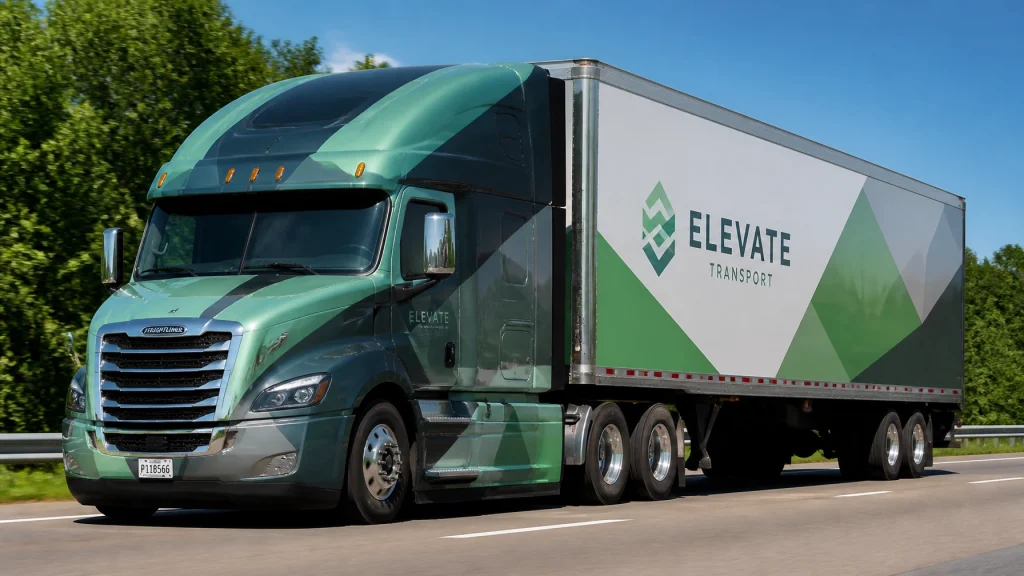
7 Mistakes You’re Making with Vehicle Wraps (and How to Fix Them)
Most fleet managers believe that a vehicle wrap is a one-time aesthetic expense: until they realize it is actually a 24/7 brand ambassador that dictates the market's perception of their professional integrity. In the high-stakes arena of logistics and transportation, your fleet is more than a delivery mechanism; it is a mobile billboard and a powerful tool for brand storytelling. However, many organizations inadvertently undermine their visibility through common design and strategic pitfalls that dilute the effectiveness of their vehicle graphics. At Teltrans, we understand that precision in fleet branding is paramount to establishing authority on the open road.
Cultivating a high-performance fleet presence requires more than just high-resolution printing; it demands a strategic alignment between design, material science, and brand mission. Whether you are operating a single delivery van or managing an expansive national carrier, avoiding these seven common mistakes will ensure your investment in truck advertising yields the highest possible return while upholding the sophisticated standards of the Mobile Hwy Advertising network.
1. The Cluttered Messaging Conundrum
One of the most frequent errors in the design of mobile billboards is the attempt to convey an exhaustive list of services and contact details within a single visual frame. When a vehicle is in transit, the observer typically has less than three seconds to absorb the core message. Overloading the graphics with excessive text, multiple phone numbers, and redundant taglines creates visual noise that obscures the brand identity. A professional approach prioritizes a singular, high-impact message that defines who the company is and how it solves the customer's problem. By utilizing strategic white space and a clear information hierarchy, your fleet branding remains legible and memorable even at highway speeds.
2. Ignoring Physical Contours and Vehicle Geometry
A design that appears flawless on a flat computer monitor may suffer significant distortion once applied to the complex three-dimensional surfaces of a modern semi-truck or trailer. Many organizations fail to account for the placement of door handles, rivets, seams, and fuel ports during the initial design phase. This lack of foresight often results in critical brand elements: such as logos or contact information: being bisected by panel breaks or obscured by physical hardware. Leveraging accurate templates from experts like Mobile Hwy Advertising ensures that every visual element is positioned with mathematical precision, maintaining the integrity of the design across the entire vehicle.

3. Compromising on Material Quality for Initial Savings
The allure of lower-cost vinyl materials can be tempting for budget-conscious fleet managers, yet this short-term saving often leads to long-term brand erosion. Subpar materials are prone to premature fading, edge lifting, and cracking under the stress of UV exposure and harsh weather conditions. A degraded wrap signals a lack of professional care and can significantly damage a company’s reputation. Investing in premium, high-durability cast vinyl and protective laminates ensures that your vehicle graphics remain vibrant and professional for years. Quality materials not only enhance the visual appeal but also facilitate a cleaner removal process when it is time to refresh the fleet's appearance.
4. Poor Contrast and Readability Issues
Visibility is the primary currency of mobile advertising, yet many wraps fail to achieve sufficient contrast between the typography and the background imagery. The use of decorative or overly thin fonts may look elegant in a portfolio, but they often disappear when viewed from a distance on a moving vehicle. To maximize the efficacy of your truck advertising, it is essential to utilize bold, sans-serif fonts and high-contrast color palettes: such as dark text on light backgrounds or vice versa. This ensures that the message is effortlessly digestible for drivers and pedestrians alike, reinforcing the brand's presence in the subconscious of the target audience.
5. Neglecting the Environmental Narrative
In the modern logistics landscape, sustainability is no longer an optional accessory; it is a core component of corporate responsibility. Many companies miss the opportunity to integrate their commitment to green initiatives into their fleet branding. At We Ship Green, we believe that every mile traveled is an opportunity to showcase environmental stewardship. Failing to highlight eco-friendly practices: such as carbon-neutral shipping or the use of renewable energy: can result in a missed connection with increasingly conscious consumers. Integrating the "We Ship Green" philosophy into your vehicle graphics signals to the market that your organization is dedicated to future-proofing the planet.

6. Inconsistency Across the Fleet Portfolio
A fragmented brand identity is a weak brand identity. When different vehicles in a fleet feature varying iterations of a logo, inconsistent color schemes, or mismatched typography, it creates a sense of organizational disarray. Fleet branding should be treated as a unified system where every asset, from the smallest utility van to the largest sleeper cab, speaks the same visual language. Establishing a centralized brand guide and working with a single professional partner like Teltrans ensures that your mobile billboards present a cohesive and authoritative image of the company, regardless of geographic location or vehicle type.
7. Failure to Integrate Advanced Sustainable Solutions
The final mistake many organizations make is viewing vehicle wraps as a standalone marketing tactic, rather than part of a broader, sustainable infrastructure. As the industry shifts toward electric vehicles and off-grid operations, your branding should reflect this evolution. For instance, companies leading the charge in energy conservation often pair their branded fleets with innovative solutions like the EV ARC™ solar-powered charging stations. By aligning your mobile advertising with visible green technology, you create a powerful synergy that positions your brand at the forefront of the green transportation revolution.

Cultivating a Future of Sustainable Visibility
Correcting these seven mistakes is the first step toward transforming your fleet into a high-performance marketing asset. The intersection of professional design, superior materials, and a mission-driven commitment to sustainability is where the most successful brands reside. By partnering with the Teltrans ecosystem and the specialized services of Mobile Hwy Advertising, your organization can ensure that every vehicle on the road serves as a testament to your professional excellence and environmental stewardship.
The future of logistics is not just about moving goods; it is about moving the needle on brand perception and environmental impact. We invite you to explore our comprehensive marketing and advertising services to discover how we can help your fleet lead the way into a greener, more visible future.
