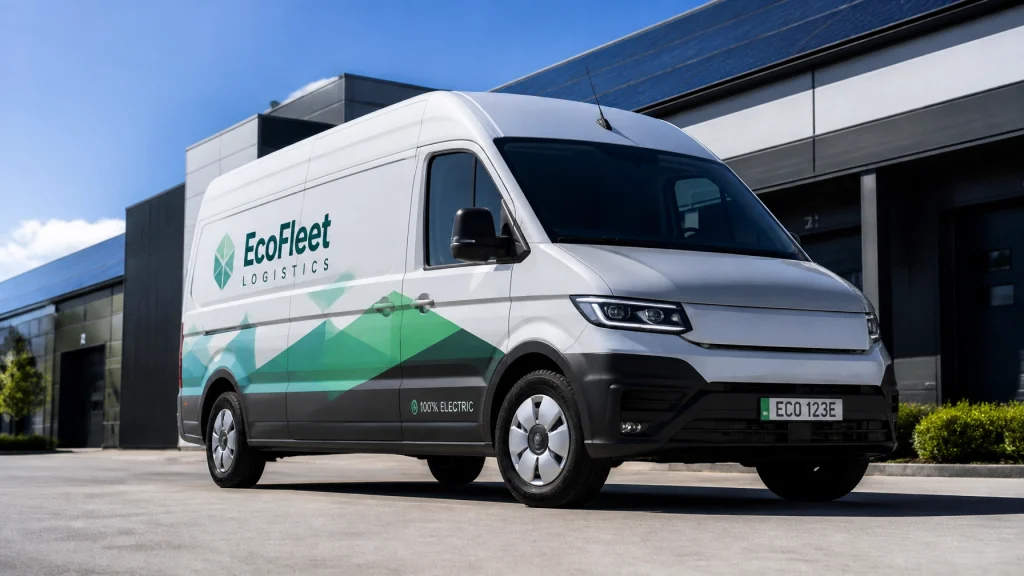
Prominent Professionalism: 7 Mistakes You're Making with Electric Cargo Van Branding (and How to Fix Them)
Most fleet managers believe that transitioning to electric vehicles is solely an operational shift: a matter of kilowatts and range: until they realize they are squandering the most potent marketing canvas of the decade. The shift toward sustainable logistics is not merely a change in propulsion; it is a profound opportunity to redefine your brand identity in the public eye. However, many companies are inadvertently undermining their investment by applying outdated branding strategies to modern electric platforms. As the logistics sector evolves, your mobile billboards must evolve in tandem to communicate innovation, reliability, and environmental stewardship.
At We Ship Green, we have observed that the transition to an electric fleet often uncovers significant gaps in traditional transportation marketing. From cluttered compositions to a failure to integrate digital synergy, these errors can render your fleet invisible or, worse, unprofessional. Understanding the nuances of fleet branding and vehicle graphics is essential for any organization aiming to future-proof its operations. Below, we examine the seven most critical mistakes currently being made with electric cargo van branding and provide the professional solutions required to rectify them.
1. The Congestion Crisis: Overloading the Message
One of the most frequent errors in transit advertising is the attempt to treat a vehicle wrap like a printed brochure. When an electric cargo van is in motion, it typically has less than three seconds to convey its primary message to a bystander or fellow motorist. Attempting to include exhaustive lists of services, multiple phone numbers, and various social media icons creates a "congestion crisis" that results in visual noise. This lack of information hierarchy ensures that no single element is remembered, effectively neutralizing the impact of your truck advertising.
To fix this, adopt a minimalist approach that prioritizes clarity over quantity. Your vehicle wraps should feature three core elements: your brand name or logo, your primary service, and a single, clear call-to-action. By stripping away the peripheral clutter, you allow your brand’s identity to resonate with authority. Professionalism is often found in the space you choose not to fill, ensuring that your fleet advertising remains legible even at highway speeds.
2. Squandering the Sustainability Story
Transitioning to an electric fleet is a significant commitment to energy conservation, yet many brands fail to explicitly communicate this on their vehicles. Ignoring the "electric" advantage is a missed opportunity to differentiate your business from legacy diesel competitors. In an era where consumers and corporate partners prioritize ESG (Environmental, Social, and Governance) values, your vehicle graphics should serve as a badge of honor for your commitment to a greener future.

The solution lies in integrating subtle yet powerful "Zero Emission" or "Powered by Renewables" messaging into your design. Resources such as EVAcrossAmerica.com highlight the growing importance of visual advocacy in the electric vehicle space. By labeling your vans as part of a sustainable fleet, you align your brand with the future of global logistics. This earnest approach to transportation marketing builds trust and positions your company as a leader in the green revolution.
3. Contrast and Color Conflicts
A common technical failure in truck side advertising is the use of low-contrast color palettes that disappear in varying lighting conditions. Many companies choose "eco-friendly" light greens or soft teals that, while on-brand, may blend into the white or silver background of a standard cargo van. If your mobile billboards cannot be read during a rainy afternoon or at dusk, your marketing reach is significantly curtailed.
To rectify this, ensure your design employs high-contrast pairings, such as deep forest greens against a crisp white van, or vibrant lime accents against a dark charcoal wrap. Professional designers use readability tests to ensure that typography stands out clearly from the background elements. MobileHwyAdvertising.com emphasizes that effective fleet branding must be functional in the real world, where weather and time of day are constantly shifting variables.
4. Disregarding Vehicle Geometry and Charge Ports
Electric cargo vans often have different body configurations than their internal combustion counterparts, particularly regarding the placement of battery vents, sensors, and charging ports. A major branding mistake is failing to account for these specific geometric features during the design phase. We frequently see logos cut in half by sliding door tracks or crucial contact information placed directly over a charge-port flap, which can lead to distorted graphics when the vehicle is being serviced.

Fixing this requires the use of precise, model-specific templates for every vehicle in your fleet. Your vehicle wraps must be tailored to the unique lines of the EV platform. Professional installation teams, like those associated with Teltrans.net, understand how to navigate these obstacles, ensuring that your branding remains seamless and uninterrupted. This attention to detail reflects a high level of corporate professionalism and ensures your message remains intact regardless of the vehicle’s state.
5. The Absence of Digital Synergy
In the modern age, a vehicle wrap should not be a static image but a gateway to a broader digital experience. Many fleet managers make the mistake of omitting interactive elements, such as QR codes or vanity URLs, that allow potential customers to engage with the brand instantly. Without a bridge to your digital presence, you lose the ability to track the effectiveness of your fleet advertising and miss out on lead generation opportunities.
The fix is to incorporate "Smart Branding" techniques. A well-placed QR code on the rear door of an electric van can lead a curious onlooker directly to your sustainability report or a service booking page. This creates a data-driven approach to logistics marketing. Leveraging platforms like Teltrans.net can help you manage these integrated campaigns, turning every mile driven into a measurable marketing asset.
6. Compromising on Material Integrity
Electric vehicles represent a long-term investment, yet many companies attempt to save costs by using inferior wrap materials. Low-quality vinyl can peel, fade, or bubble after only a few months of exposure to UV rays and road debris. For an electric fleet that is meant to symbolize the "cutting edge" of technology, a weathered or damaged wrap sends a message of negligence and financial instability.

To solve this, prioritize high-performance, eco-friendly films and non-toxic inks that match the lifespan of the vehicle. Sustainable branding should extend to the materials used in the branding itself. As noted in the industry context provided by goTrucking.News, the trend is moving toward sustainable, high-durability solutions that can withstand the rigors of heavy-duty fleet operations. Investing in quality from the outset ensures that your fleet branding remains a pristine reflection of your corporate values for years to come.
7. Inconsistent Fleet Identity
Finally, the lack of cohesion across an entire fleet is a mistake that dilutes brand recognition. When a company introduces electric vans alongside existing diesel trucks, they often create a "special" design for the EVs that bears little resemblance to the rest of the fleet. While it is important to highlight the electric transition, straying too far from your established brand guidelines confuses the audience and weakens your visual authority.
The solution is to maintain a unified brand architecture while using "EV accents" to distinguish the green vehicles. Your core logo, typography, and primary color palette should remain consistent across all assets, whether they are long-haul semis or urban delivery vans. This creates a sense of scale and stability, suggesting a well-ordered and professional organization. At We Ship Green, we assist our partners in cultivating a harmonious brand presence that bridges the gap between traditional reliability and future-focused innovation.
Cultivating a Greener Future through Strategic Branding
Correcting these seven mistakes is more than just a graphic design exercise; it is a strategic imperative for the modern logistics professional. By embracing minimalist design, highlighting your commitment to sustainability, and ensuring technical precision, you transform your electric fleet into a powerful engine for brand growth. The transition to electric vehicles is a once-in-a-generation opportunity to lead your industry in both operational efficiency and environmental stewardship.
As you look to optimize your fleet's marketing potential, remember that the most effective solutions are those that balance idealism with corporate professionalism. Whether you are exploring solar charging stations or implementing a nationwide vehicle wrap campaign, the team at We Ship Green is dedicated to helping your brand travel further. For more insights on the future of the industry, we encourage you to stay informed through goTrucking.News and join us in our mission to ship a greener, more sustainable world.
Contact Information:
We Ship Green
Email: info@weshipgreen.com
Website: weshipgreen.com
A Service-Disabled Veteran-Owned Small Business (SDVOSB)