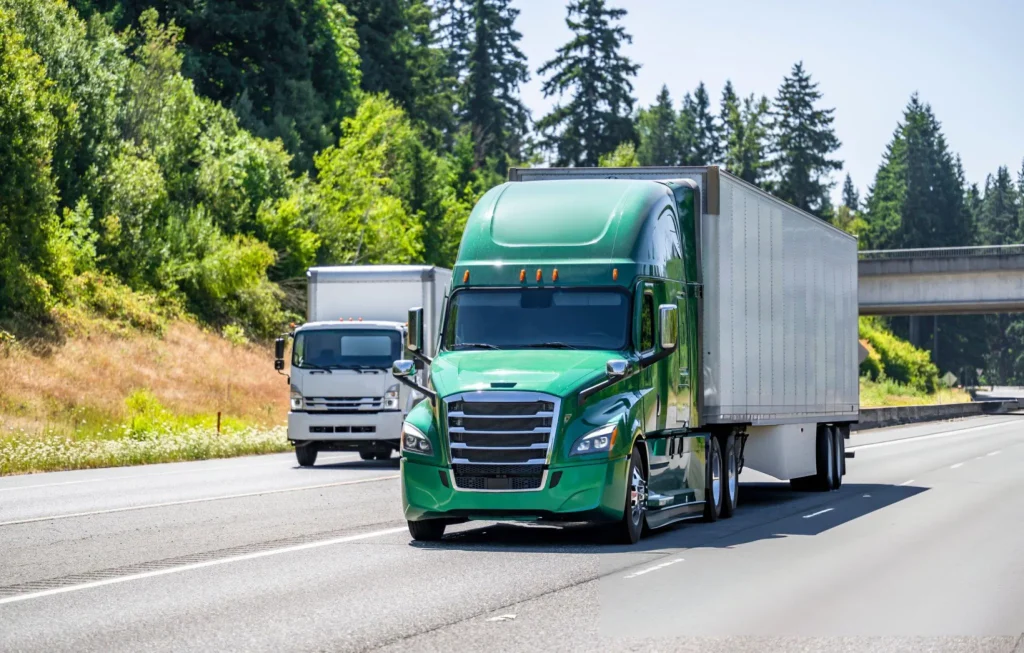
Power in Motion: How Sustainable Logistics and Fleet Advertising Are Reshaping the Transportation Industry
The global transportation and logistics sector stands at a historic crossroads. For decades, commercial transport was defined primarily by fossil-fuel dependence, rigid supply chain constraints, and conventional advertising models that treated moving vehicles merely as functional tools of distribution. Today, a profound transformation is sweeping across interstates, logistics hubs, and metropolitan delivery routes. The convergence of zero-emission vehicle technology, intelligent depot architectures, and high-impact mobile marketing has birthed a revolutionary paradigm: an interconnected ecosystem where environmental stewardship and brand visibility amplify one another. Organizations navigating this dynamic landscape must recognize that modern logistics is no longer just about moving cargo from origin to destination; it is about cultivating sustainable value, optimizing operational expenditure, and leveraging rolling real estate to communicate a powerful corporate ethos.
At We Ship Green, we champion this dual evolution. Through our comprehensive network: which bridges specialized transport consulting at Teltrans.net, dynamic promotional reach via Mobile Hwy Advertising, and cross-country electrification initiatives through EV Across America: we empower fleet managers and forward-thinking brands to harmonize their operational goals with their environmental commitments. By examining the synergy between green technology and sophisticated fleet advertising, industry leaders can future-proof their operations and capture unprecedented market attention.
Sustainable Solutions and Strategic Charging Infrastructure
The technological foundation of modern green logistics rests upon rapid advancements in electrification, aerodynamic engineering, and intelligent energy management. Class 8 electric semi-trucks and medium-duty delivery fleets are transitioning from pilot programs to corridor-scale deployment. Major interstate arteries such as the I-5 and I-10 corridors on the West Coast and Sun Belt, alongside cross-border freight routes along I-35, are witnessing the installation of megawatt-scale charging hubs. These Megawatt Charging Systems (MCS), capable of delivering upwards of 1.2 to 1.68 megawatts per stall, align perfectly with mandatory driver rest intervals, enabling commercial tractors to replenish significant battery capacity within thirty to forty-five minutes.

However, corridor charging represents only one half of the operational equation. Fleet depots face unique challenges regarding grid capacity, peak demand charges, and energy resilience. To address these hurdles, leading operators are adopting the GSC model: Generation, Storage, and Charging. Within this framework, depots integrate on-site photovoltaic solar generation on warehouse roofs and canopies, battery energy storage systems (BESS) to capture off-peak energy and shave peak loads, and robust DC fast-charging infrastructure ranging from 150 kW to 400 kW.
Beyond powertrain electrification, aerodynamic innovations play a critical role in reducing carbon intensity. Advanced aerodynamic devices such as trailer wind skirts, vortex reducers, and automated ride-height controllers significantly decrease drag coefficients during long-haul transits. When these aerodynamic enhancements are paired with high-performance exterior finishes, commercial vehicles achieve dual efficiency: minimizing fuel or electrical consumption while providing an expansive, pristine canvas for exterior messaging. Fleet managers seeking expert guidance on integrating these technologies can explore our tailored offerings detailed on our services page.
Fleet Futures: Transforming Transit into High-Impact Media Channels
While engineering innovations optimize the mechanical efficiency of commercial transport, marketing executives and logistics directors are discovering that every vehicle in transit serves as a powerful mobile ambassador. Traditional static billboards are increasingly limited by stationary geography and declining consumer engagement. In contrast, mobile advertising channels: encompassing dynamic fleet branding, custom vehicle wraps, and high-visibility truck side advertising: turn ordinary supply chain operations into high-impact brand interactions.
In an era where consumer trust is intrinsically linked to corporate transparency and environmental responsibility, the intersection of eco-friendly transport and outward-facing communication creates a compelling narrative. When a fully electric delivery van or a solar-supported logistics truck traverses urban avenues adorned with thoughtfully designed vehicle graphics, it communicates two vital messages simultaneously: technological modernization and ecological dedication. This form of transit advertising bypasses traditional digital noise, capturing the attention of millions of commuters in real-time across diverse demographic markets.
Strategic logistics marketing requires meticulous planning from concept to execution. Organizations must ensure that their visual assets endure harsh weather conditions, highway speeds, and constant ultraviolet exposure without fading or peeling. Utilizing premium polymeric vinyl materials and protective laminates guarantees that vehicle wraps maintain their striking clarity over hundreds of thousands of miles. Through our specialized expertise in transportation marketing, We Ship Green helps brands design immersive campaigns that resonate deeply with audiences, ensuring that every mile traveled yields measurable brand equity. Discover more about our foundational philosophy by visiting our about us page.
Greener Guidelines for Corridor Logistics and Marketing
Maximizing the return on investment within a modern transportation ecosystem demands a unified strategy that bridges fleet management with brand promotion. Fleet branding is no longer a peripheral afterthought; it is an integral component of enterprise valuation. When transport companies invest in aerodynamic retrofits, energy-efficient refrigeration units, and alternative-fuel tractors, they establish an authentic platform for storytelling. Consumers and B2B partners alike gravitate toward organizations that transparently demonstrate their dedication to reducing carbon footprints.

Consider the strategic deployment of mobile billboards along high-density freight corridors. Unlike traditional out-of-home advertising, truck advertising travels directly into the heart of target markets: navigating distribution centers, suburban logistics hubs, and bustling downtown commercial districts. This mobility ensures optimal frequency and reach without the recurring spatial rental fees associated with fixed urban billboards. Furthermore, when companies align their logistics operations with verified sustainability frameworks, their mobile fleet advertising gains heightened credibility, transforming routine freight transit into a rolling testament of environmental leadership.
To successfully execute these comprehensive initiatives, logistics providers must collaborate with experienced marketing professionals who understand the intricate mechanics of fleet operations. Whether you are seeking to revitalize your corporate image through targeted fleet advertising or looking for comprehensive consultations on sustainable transport infrastructure, partnering with industry specialists accelerates your transition toward a profitable, green future. Our dedicated team is ready to assist you; reach out directly through our contact page to begin discussing your next campaign.
Cultivating Complete Commercial Ecosystems
The future of the transportation industry belongs to those who embrace holistic integration. By bridging the operational efficiencies of green technology: such as solar microgrids, advanced battery storage, and electrified heavy-duty freight corridors: with the unbridled visibility of mobile advertising channels, businesses can achieve unprecedented synergies. Sustainable logistics reduces operating expenditures and insulates enterprises from volatile fossil-fuel markets, while expert fleet branding and vehicle wraps amplify market presence and drive customer acquisition.

At We Ship Green, we invite logistics managers, fleet operators, and visionary brand leaders to join us in shaping this transformative era. Through our specialized networks, including Teltrans.net, Mobile Hwy Advertising, and EV Across America, we provide the strategic insights, creative execution, and industry partnerships necessary to thrive in a rapidly evolving marketplace. Explore our complete suite of marketing and advertising capabilities by visiting our marketing services overview and take the decisive step toward powering your fleet into a sustainable, highly visible tomorrow.