Driving the Future: How Sustainable Logistics and Fleet Advertising Power Modern Brands
Most market analysts think advertising budgets must be funneled exclusively into digital channels and static billboards… until they see how high-impact mobile assets generate millions of organic impressions across national green corridors. Today, the convergence of sustainable logistics and modern marketing has transformed the transportation industry. Fleet managers and brand architects are no longer viewing supply chains and promotional campaigns as separate silos. Instead, they are discovering that moving assets can serve a dual purpose: efficiently delivering essential goods to market while broadcasting corporate environmental stewardship across thousands of miles of highway.
H3. Cultivating Sustainable Supply Chains Through Advanced Green Technologies
The evolution of modern transportation begins at the depot. As highlighted in recent industry briefs from goTrucking.News, the logistics sector is undergoing a profound transformation driven by electrification, renewable energy integration, and smart infrastructure. Leading carriers within the We Ship Green ecosystem are redefining operational excellence by deploying electric trucks, solar-powered charging hubs, and aerodynamic enhancements such as wind skirt graphics. These innovations not only slash carbon emissions per ton-kilometer but also establish a tangible foundation for corporate ESG reporting.

When companies invest in off-grid solar infrastructure: such as advanced photovoltaic arrays and energy storage systems: they insulate their operations from grid volatility while showcasing a genuine commitment to energy conservation. This operational rigor creates an authentic narrative that modern consumers and B2B partners demand. Through specialized platforms like EV Across America, forward-thinking enterprises are mapping out clean energy corridors that redefine what it means to move freight responsibly in the twenty-first century.
H3. Maximizing Visibility with Mobile Billboards and Fleet Branding
While reducing greenhouse gas emissions secures environmental compliance, maximizing the promotional value of commercial vehicles secures commercial growth. Traditional stationary billboards are restricted to fixed locations, capturing only the audiences that pass through specific geographic bottlenecks. In contrast, dynamic transit advertising leverages the daily routes of commercial fleets to reach diverse demographics across urban centers, suburban arteries, and interstate corridors.
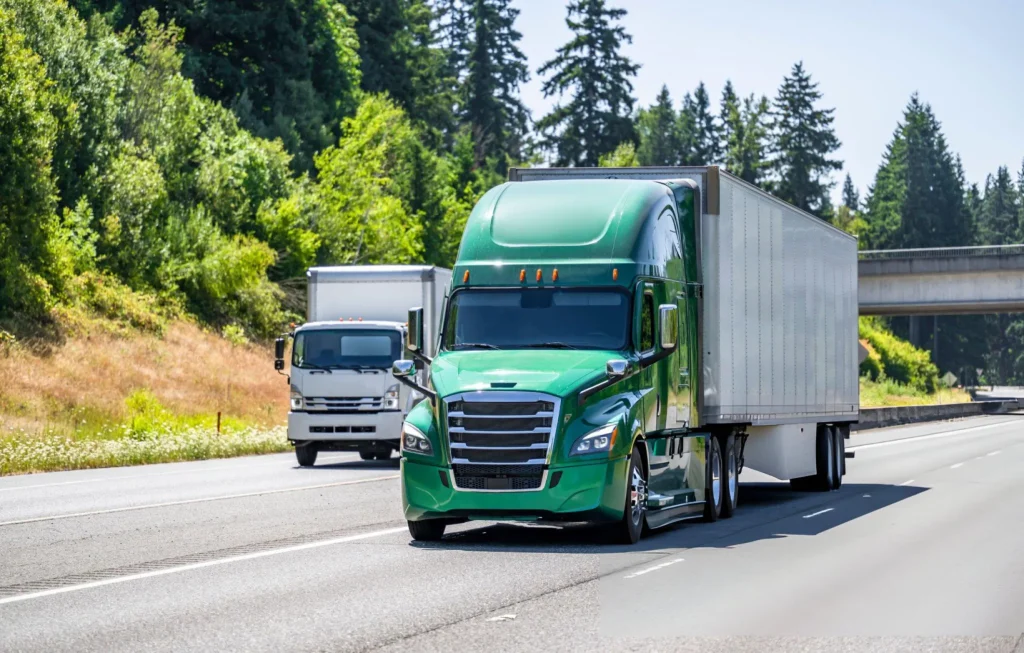
Through sophisticated fleet branding initiatives, box trucks, semi-trailers, and cargo vans become moving works of art. Utilizing premium vehicle wraps and vibrant vehicle graphics, brands can transform ordinary transport vehicles into high-impact mobile billboards. This form of truck advertising delivers unparalleled repeat exposure. Whether navigating congested metropolitan avenues or cruising along major shipping lanes managed by networks like Teltrans.net, branded fleets command attention without interrupting the consumer experience.

H3. Strategic Synergy: Merging Logistics Marketing with OOH Campaigns
Integrating logistics operations with cutting-edge transportation marketing requires precision planning and creative execution. Brand strategists specializing in logistics marketing understand that every square inch of a commercial trailer represents valuable promotional real estate. By coordinating comprehensive truck side advertising campaigns, organizations can synchronize their messaging with peak commuter traffic and high-density regional distribution hubs.
Furthermore, modern fleet advertising is increasingly data-driven. Fleet managers utilize telematics and GPS analytics not only to optimize fuel consumption and minimize empty miles, but also to identify the most lucrative routes for maximum impression yield. When high-impact creative assets on electric and low-emission vehicles traverse these optimized green corridors, the marketing ROI multiplies exponentially.

H3. Empowering Environmental Stewardship and Corporate Growth
The strategic alignment of eco-conscious transport and mobile promotion addresses two critical business imperatives: operational cost-efficiency and brand differentiation. Shippers and consumers increasingly align with enterprises that actively minimize their ecological footprint. By partnering with experts who understand both sides of the equation: such as the digital campaign architects at Mobile Hwy Advertising: brands can craft compelling visual narratives that resonate deeply with environmentally conscious audiences.
Ultimately, driving the future of logistics requires a holistic vision. It demands that fleet managers embrace sustainable innovations while empowering marketing leaders to utilize moving media channels effectively. As the transportation landscape continues to evolve, companies that successfully harmonize green technology with dynamic vehicle branding will undoubtedly lead their respective industries toward a more prosperous and sustainable tomorrow.
Contact & Information
- Company Name: We Ship Green
- Website: https://weshipgreen.com/
- Services: Fleet Partnerships, Logistics Consulting, Sustainable Transportation Marketing, Mobile Billboard Campaigns
- Ecosystem Partners: Teltrans.net, Mobile Hwy Advertising, EV Across America