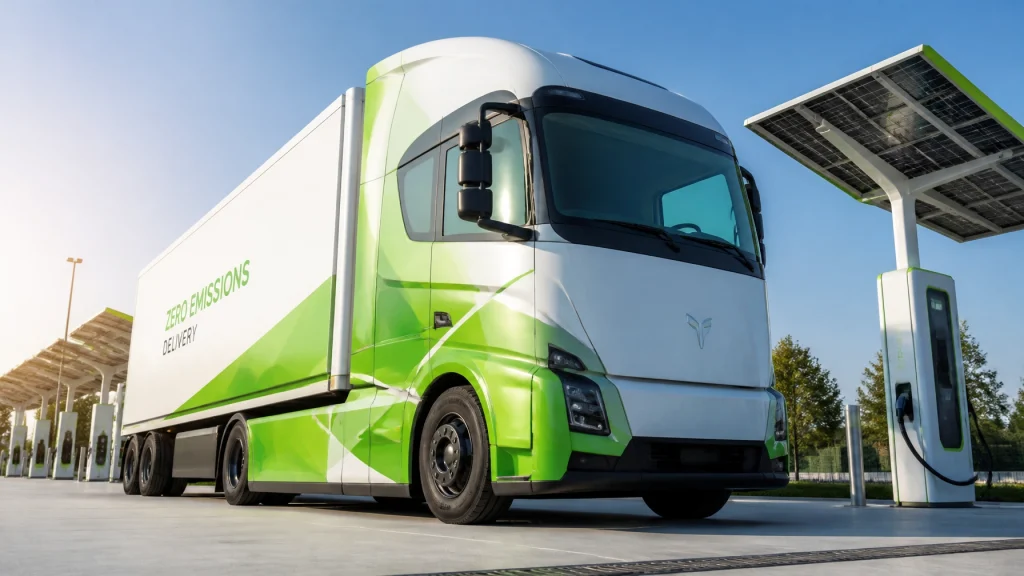
How to Integrate Fleet Vehicle Wraps With Your EV Transition Strategy (Easy Guide for Fleet Managers)
What if everything you have been told about the cost of electric vehicle transition is wrong?
Most fleet managers perceive the shift toward electrification as a purely capital-intensive endeavor characterized by high upfront costs and complex infrastructure requirements. However, a significant paradigm shift occurs when one begins to view an electric fleet not merely as a collection of logistical assets but as a premium network of high-impact mobile billboards. By integrating sophisticated vehicle wraps into your EV transition strategy, your organization can effectively offset transition costs and cultivate a new, sustainable revenue stream through advanced transit advertising and logistics marketing.
The intersection of sustainability and visibility represents the frontier of modern transportation marketing. As the industry moves toward a zero-emission future, the blank canvases of your new electric trucks offer a unique opportunity to leverage truck side advertising to fund your green initiatives. This guide provides a comprehensive roadmap for fleet managers who are ready to transform their transition into a profitable marketing powerhouse through the strategic application of fleet branding and vehicle graphics.
Strategic Sustainability: The Synergy of EVs and Fleet Advertising
The adoption of electric vehicles is a powerful statement of corporate responsibility, but it is the visual execution of that commitment that captures market attention. High-quality vehicle wraps serve as the primary medium for communicating your brand's evolution to the public. Unlike traditional internal combustion engine (ICE) vehicles, electric trucks are often perceived by the public as more innovative and forward-thinking. When these vehicles are enhanced with professional fleet advertising, they become powerful instruments of fleet branding that command attention in high-traffic urban corridors and along major interstate highways.
The integration of vehicle graphics into the procurement process of new electric assets ensures that every mile driven contributes to the brand’s equity. By partnering with established entities such as MobileHwyAdvertising.com, fleet managers can access sophisticated systems for managing mobile billboards that turn delivery routes into profitable advertising campaigns. This approach ensures that the "green premium" associated with electric trucks is immediately leveraged to attract high-value advertising contracts and sponsorships from brands eager to align themselves with environmental stewardship.
Monetizing Motion: Creating Revenue Streams Through Truck Advertising
One of the most compelling reasons to integrate wrap strategies during an EV rollout is the potential for direct and indirect revenue generation. In the realm of logistics marketing, the side of a semi-trailer or a delivery van is prime real estate. By treating your fleet as a media asset, you can offer truck advertising space to partners, suppliers, or third-party brands. This transition from a cost-center to a profit-center is a cornerstone of modern fleet management.
To maximize the ROI of these mobile billboards, fleet managers should consult with industry experts at Teltrans.net, who specialize in transportation marketing and media solutions. These professionals can assist in valuing your fleet’s impressions and connecting your operation with brands looking for impactful transit advertising opportunities. Furthermore, staying informed via resources like goTrucking.News allows managers to remain updated on the latest trends in fleet monetization and regulatory changes that might impact advertising on the move.

Purposeful Planning: Aligning Infrastructure and Aesthetics
The physical transition to electric vehicles requires meticulous planning of charging infrastructure and maintenance schedules. Integrating vehicle wraps into this lifecycle requires a similar level of precision. It is essential to choose materials that are durable enough to withstand the rigors of long-haul transport while maintaining the vibrant clarity required for professional fleet advertising. The quality of the installation is paramount; a poorly applied wrap can diminish the perceived value of your high-tech electric assets.
As explored in our detailed analysis of whether vehicle graphics quality really matters in 2026, the longevity of the wrap directly correlates with the long-term ROI of the advertising campaign. Fleet managers must ensure that the design of the wrap does not interfere with critical EV components, such as charging ports or thermal management vents. By coordinating with charging infrastructure experts and EVAcrossAmerica, managers can ensure that their vehicles remain both operationally efficient and visually striking throughout their operational lifespan.
Dynamic Designs: Cultivating an Eco-Friendly Brand Identity
When designing graphics for an electric fleet, the aesthetic should reflect the clean, quiet, and efficient nature of the technology. Minimalist designs that emphasize "zero emissions" or "powered by renewable energy" resonate deeply with modern consumers. This form of transportation marketing does more than sell products; it builds a narrative of progress and environmental consciousness. Using high-fidelity visuals and clear, professional typography ensures that your fleet branding remains legible even at highway speeds.
For companies looking to understand the specific advantages of different vehicle types, our resource on why cargo vans are the new king of local advertising offers valuable insights into segment-specific branding strategies. Whether managing a fleet of heavy-duty semi-trucks or last-mile delivery vans, the goal remains the same: to create a cohesive and recognizable brand presence that reinforces the company's commitment to a greener future.

Persistent Performance: Measuring the Impact of Mobile Marketing
The modern fleet manager must be as proficient in data analysis as they are in logistics. To justify the investment in both EVs and premium vehicle wraps, it is necessary to implement robust tracking mechanisms. Digital integrations, such as QR codes or unique vanity URLs prominently displayed on the truck side advertising, allow marketing teams to attribute leads and conversions directly to specific vehicles or routes. This data-driven approach transforms fleet advertising from a speculative expense into a measurable marketing channel.
By utilizing the marketing and advertising services provided by We Ship Green, fleet operators can gain access to sophisticated analytics that track the reach and frequency of their mobile billboards. These metrics are vital for securing long-term advertising partnerships and for demonstrating the total value of the EV fleet to internal stakeholders. When the environmental benefits of electrification are combined with the quantifiable reach of transit advertising, the business case for a rapid EV transition becomes undeniable.
Future-Proofing Fleets: Long-Term Values and Environmental Stewardship
Ultimately, the integration of vehicle wraps into an EV transition strategy is about more than immediate financial gain; it is about future-proofing your organization. As environmental regulations tighten and consumer expectations for sustainability rise, companies that have already established a visible, green presence will have a significant competitive advantage. Cultivating a reputation for environmental stewardship through professional fleet branding ensures that your company remains a leader in the evolving logistics landscape.
At We Ship Green, we are dedicated to helping our clients navigate this complex transition. Our mission is to bridge the gap between operational efficiency and environmental responsibility. We invite you to learn more about us and our commitment to providing innovative marketing solutions that support a sustainable future. By embracing the power of mobile advertising today, you are not just wrapping a truck; you are wrapping your brand in the values of tomorrow.

Comprehensive Coordination: A Step-by-Step Implementation Guide
- Audit Your Current Assets: Evaluate which routes offer the highest visibility for mobile billboards and prioritize those for your first electric vehicle deployments.
- Select Premium Partners: Collaborate with experts at Teltrans.net and MobileHwyAdvertising.com to design and execute high-impact vehicle wraps that meet both aesthetic and durability standards.
- Integrate Maintenance Schedules: Coordinate the installation and cleaning of your fleet advertising wraps with your EV charging and maintenance windows to minimize downtime.
- Monitor Industry Insights: Use platforms like goTrucking.News and EVAcrossAmerica to stay informed on technological advancements and marketing trends in the EV sector.
- Analyze and Optimize: Regularly review the performance data of your transit advertising campaigns and adjust your logistics marketing strategies to maximize ROI.
By following this professional framework, fleet managers can successfully navigate the complexities of electrification while turning their vehicles into powerful assets for growth and sustainability. The future of logistics is green, and with the right strategy, it is also incredibly visible and profitable.