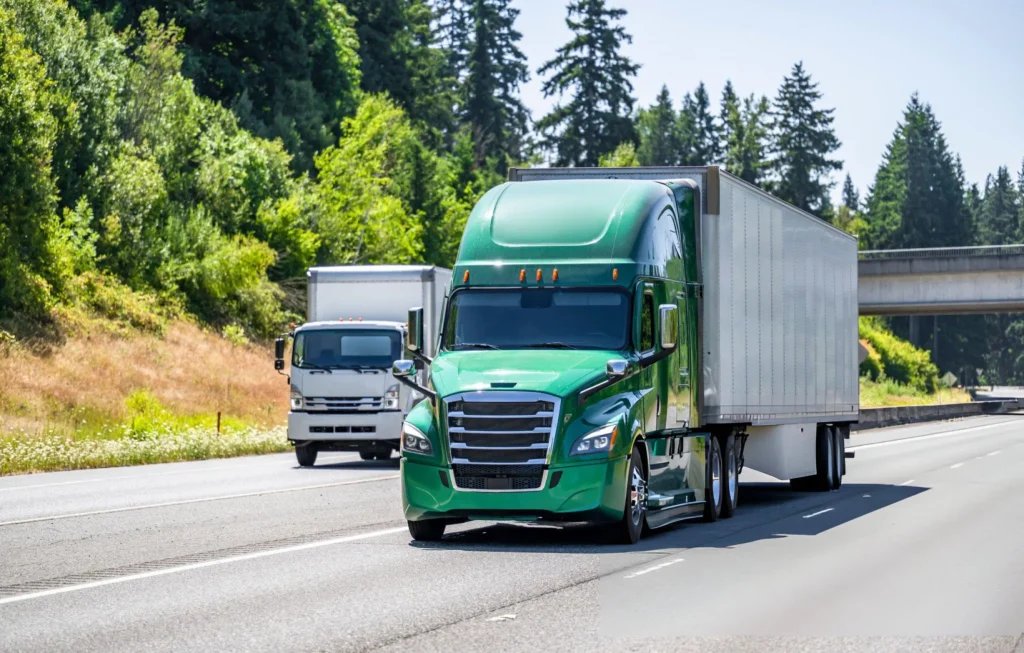
The Green Fleet Revolution: Blending Sustainable Logistics with High-Impact Mobile Advertising
What if everything you’ve been told about logistics marketing and fleet management being separate, competing expenditures is entirely wrong? In the modern era of commerce, progressive enterprises are discovering that environmental stewardship and aggressive brand visibility are not mutually exclusive pursuits. Instead, they represent two powerful sides of the exact same coin. As regulatory pressures intensify and consumer expectations shift decisively toward ecological responsibility, forward-thinking organizations are pioneering a transformative approach known as the Green Fleet Revolution. By integrating zero-emission electric fleets, advanced renewable infrastructure, and high-impact mobile advertising, industry leaders are turning their supply chains into dynamic, self-funding marketing powerhouses.
1. Sustainable Strategies: Shaping Modern Supply Chains
The contemporary logistics landscape demands a fundamental reevaluation of how goods move from manufacturing facilities to end consumers. For decades, commercial transportation was viewed strictly through the lens of operational expenditure, fuel consumption, and transit velocity. However, as global carbon reduction targets loom, fleet managers must adopt comprehensive sustainable strategies that prioritize energy conservation without compromising operational throughput. Transitioning to alternative-fuel vehicles, optimizing routing architectures, and implementing smart microgrid charging hubs are no longer optional aspirations; they are foundational requirements for long-term viability.
Within this paradigm, industry publications like goTrucking.News frequently highlight how pioneering organizations are redesigning their operations to meet stringent environmental standards. Through platforms such as WeShipGreen.com, logistics leaders gain access to expert consulting and innovative marketing ecosystems designed to future-proof their supply chains. Cultivating a genuinely green fleet involves more than simply swapping internal combustion engines for electric alternatives. It requires a holistic commitment to resource efficiency, waste reduction, and transparent environmental stewardship that resonates deeply with modern, eco-conscious consumers.

2. Fleet Financing: Fueling Future Fleets through Mobile Advertising
One of the most persistent hurdles in transitioning commercial fleets to electric vehicles and sustainable infrastructure is the significant upfront capital expenditure required. Upgrading heavy-duty transportation assets, installing utility-scale photovoltaic arrays, and establishing off-grid charging stations demand substantial financial commitments. This is where innovative fleet advertising emerges as a transformative economic catalyst. By transforming commercial vehicles into moving brand assets, fleet managers can generate substantial ancillary revenue streams that directly subsidize their green technology investments.
As explored in our detailed analysis on fleet branding matters and why electric trucks are the new face of logistics marketing, mobile advertising offers exceptional return on investment compared to static out-of-home media. When commercial delivery vans and semi-trailers traverse urban corridors and interstate highways, they capture tens of thousands of daily impressions per vehicle. Specialized platforms like MobileHwyAdvertising.com connect ambitious brands with extensive transportation networks, turning routine freight delivery into a high-visibility marketing campaign. This symbiotic relationship ensures that the very trucks championing ecological sustainability also generate the financial capital required to sustain their operations.
3. Comprehensive Canvas: Crafting Compelling Vehicle Wraps
Executing a successful mobile marketing campaign requires meticulous attention to design precision, material durability, and brand cohesion. Modern vehicle wraps and vehicle graphics serve as the visual language of the Green Fleet Revolution. Unlike traditional billboards that remain fixed in a single geographic location, dynamic transit advertising carries a brand's message directly into target markets, reaching diverse demographics across municipal and rural landscapes alike.
To achieve maximum visual impact, enterprises must avoid common pitfalls in fleet design, ensuring that typography, color psychology, and messaging clarity are perfectly balanced. Comprehensive insights into maximizing return on investment can be found in our comprehensive resource on truck-side advertising and leveraging electric fleets. Furthermore, utilizing modular and circular wrapping techniques: as detailed in our guide on circular fleet branding and modular wraps: allows organizations to update campaigns cost-effectively while minimizing material waste. This meticulous approach guarantees that vehicle graphics remain vibrant, professional, and aligned with corporate sustainability mandates.

4. Aerodynamic Advantages: Maximizing Mileage with Wind Skirt Graphics
True innovation in logistics marketing lies at the intersection of mechanical efficiency and aesthetic communication. Among the most effective technological advancements in modern freight transport are EPA SmartWay-certified aerodynamic wind skirts. Mounted beneath semi-trailers, these specialized fiberglass or composite panels significantly reduce aerodynamic drag, yielding measurable fuel savings of eight to twelve percent for transitional and diesel fleets.
Beyond their profound mechanical benefits, these panels provide an expansive, flat surface area perfectly suited for high-impact truck advertising. As examined in our in-depth feature on wind skirt graphics and fuel savings, integrating brand messaging onto aerodynamic devices allows fleet operators to simultaneously lower their carbon footprint and offset operating expenses. Through strategic partnerships facilitated by networks like Teltrans.net, brands can align their promotional campaigns with cutting-edge engineering solutions that champion environmental conservation.
5. Ecosystem Excellence: Unifying Networks for Ultimate Impact
The ultimate realization of the Green Fleet Revolution requires an integrated ecosystem where logistics providers, fleet managers, and advertising brands operate in seamless synergy. Isolated sustainability initiatives often struggle to achieve long-term scale; true transformation stems from interconnected networks that share resources, data, and technological infrastructure. Initiatives championed by EVAcrossAmerica.com illustrate the immense potential of nationwide electrification, demonstrating how coordinated charging infrastructure and cross-country transport corridors can support zero-emission commercial mobility on a continental scale.

By participating in collaborative logistics marketing frameworks, enterprises demonstrate authentic corporate citizenship while capturing unprecedented market visibility. Whether deploying electric cargo vans for urban logistics or long-haul semi-trucks equipped with advanced mobile billboards, the unified approach championed by We Ship Green empowers businesses to navigate the future with confidence. Cultivating a greener, more profitable supply chain is no longer an idealistic vision for tomorrow; it is the definitive operational standard for industry leaders today.