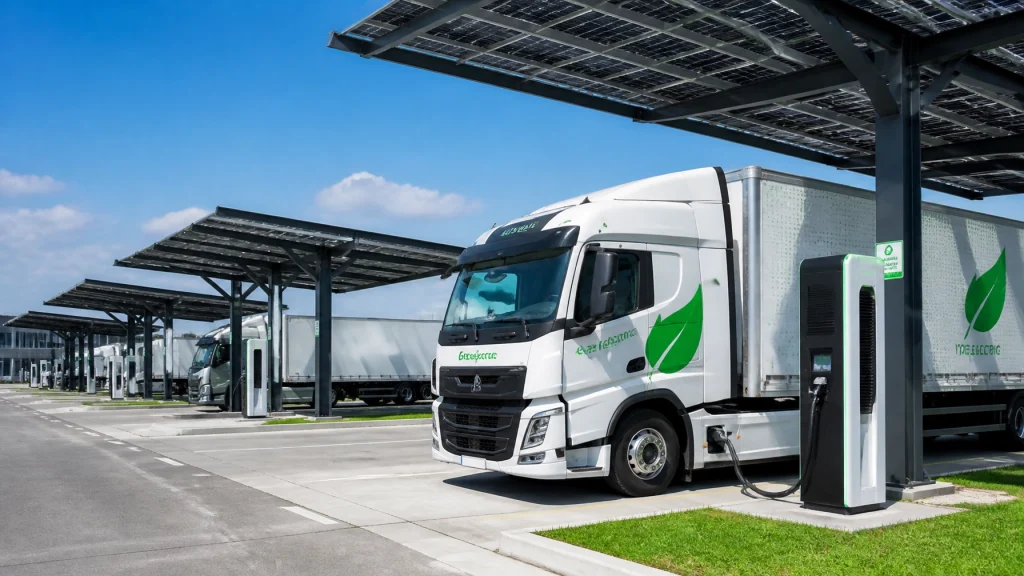
Top 10 Solar Charging Station Designs to Boost Your Fleet’s Green Credentials
Most logistics professionals assume that transitioning to an electrified fleet requires multi-million dollar grid upgrades and years of bureaucratic permitting; however, that perception changes the moment they witness a fully autonomous solar charging unit deployed and operational in under four hours. The global shift toward sustainable logistics is no longer a peripheral concern for environmentalists but a central pillar of modern corporate strategy. As regulatory pressures mount and the demand for carbon-neutral shipping rises, fleet managers must seek innovative solutions that balance operational efficiency with environmental stewardship.
At We Ship Green, we recognize that the future of the transportation industry lies at the intersection of renewable energy and advanced logistics marketing. Integrating solar charging infrastructure into your operations does more than just power your vehicles; it serves as a powerful testament to your brand's commitment to a greener future. By leveraging the expertise of partners like Teltrans for logistics consulting and EV Across America for infrastructure insights, companies can navigate this transition with confidence. This article explores the top ten solar charging station designs that are currently redefining fleet energy management.
1. Autonomous Array Architectures
The emergence of off-grid, self-contained charging platforms represents a significant leap forward in logistics flexibility. Designs such as the EV ARC™ system provide a robust solution for fleets that require rapid deployment without the need for traditional trenching or electrical infrastructure. These units utilize high-efficiency solar arrays mounted on ballasted pedestals, allowing them to be placed in existing parking spaces without permanent civil works. For fleet managers, this means the ability to scale charging capacity incrementally as the electric fleet grows. Furthermore, these autonomous units offer unparalleled resilience during grid outages, ensuring that critical delivery schedules remain uninterrupted.

2. Comprehensive Canopy Complexes
For large-scale depots housing delivery vans and service vehicles, solar canopies offer a dual benefit of energy generation and vehicle protection. These expansive structures transform standard parking lots into power-generating hubs while shielding expensive electric assets from the elements. By capturing sunlight across a vast surface area, these complexes can often offset a substantial portion of a facility’s daytime energy consumption. This design is particularly effective for municipal fleets and regional logistics centers where vehicles remain stationary for several hours between shifts, allowing for steady, low-cost Level 2 charging.
3. Heavy-duty Hubs for Haulage
The electrification of heavy-duty trucks requires a specialized approach to energy delivery, often necessitating megawatt-scale charging capabilities. Heavy-duty hubs are designed with high-power DC fast chargers supported by dedicated ground-mount solar parks and industrial-scale battery storage. These facilities are engineered to handle the massive energy requirements of Class 8 electric semi-trucks, which demand significantly more power than light-duty vehicles. By integrating solar parks directly into the freight depot, operators can mitigate peak demand charges and lower the total cost of ownership for their green fleet.
4. Dynamic Destination Depots
As the freight landscape evolves, the concept of the "destination hub" is gaining traction. These facilities serve as both public charging stations and dedicated waypoints for commercial fleets. Featuring high-power DC chargers, retail amenities, and extensive solar roofing, destination depots provide a comfortable environment for drivers while their vehicles recharge. This design encourages shared infrastructure use, which can improve the financial viability of solar investments. Strategic placement of these hubs along primary shipping routes is essential for maintaining the momentum of long-haul electric transportation.
5. Transit Technology Tracks
Public transit and shuttle fleets are increasingly adopting solar-assisted depots that utilize overhead pantographs or wireless inductive charging pads. This design allows buses and shuttles to receive a "top-off" charge while stopped at layover bays or passenger loading zones. By integrating solar energy into the depot's DC bus, transit authorities can maximize the use of renewable power during peak daylight hours. This "opportunity charging" model reduces the need for large, heavy onboard batteries, thereby increasing vehicle efficiency and lowering the overall carbon footprint of urban mobility.
6. Microgrid Management Models
The integration of Vehicle-to-Grid (V2G) and Vehicle-to-Everything (V2X) technology allows fleet yards to operate as sophisticated microgrids. In this design, solar panels and stationary batteries work in tandem with the fleet's own batteries to balance the facility's energy load. During periods of high grid demand, fleet vehicles can actually discharge power back into the building or the utility grid, creating a new revenue stream for the company. This reciprocal relationship turns the fleet from a passive energy consumer into a dynamic asset that supports grid stability and enhances energy security.
7. Campus Charging Clusters
Corporate campuses, hospitals, and universities often manage diverse fleets of service vehicles and pool cars. Campus charging clusters focus on a high density of networked Level 2 chargers supported by aesthetic solar carports. These designs are often integrated into the campus's broader energy management system, allowing for intelligent load balancing and priority-based charging. For organizations looking to improve their Environmental, Social, and Governance (ESG) ratings, these visible installations serve as a daily reminder to employees and visitors of the institution's dedication to sustainability.

8. Artificial Intelligence Arrays
In 2026, the most efficient solar charging stations are defined by the software that manages them. AI-driven energy management systems optimize the interplay between solar generation, battery storage, and vehicle charging schedules. These systems analyze weather patterns, utility rates, and fleet route data to ensure that every vehicle is charged at the lowest possible cost and carbon intensity. This level of optimization is crucial for fleet branding, as it allows companies to accurately report their carbon savings and provide verifiable data to environmentally conscious clients.
9. Portable Power Platforms
For temporary worksites, disaster relief efforts, or remote logistics routes, portable solar charging trailers provide a vital link. These mobile units can be towed to virtually any location and deployed to provide immediate Level 2 or DC fast charging. Often used in construction or mining operations where permanent infrastructure is not feasible, portable platforms demonstrate the versatility of solar energy in the most challenging environments. They are also an excellent tool for companies to test the feasibility of electric routes before committing to permanent infrastructure.
10. Corridor Charging Connections
The development of solar-assisted freight corridors is essential for the widespread adoption of electric long-haul trucking. These regional connections consist of a series of strategically spaced charging hubs that utilize local solar generation to power high-speed chargers. By creating a reliable "green corridor," logistics providers can confidently expand their electric operations across state lines. These projects often involve collaboration between state agencies, utility companies, and private enterprises to ensure a seamless and sustainable charging experience for all commercial users.

Cultivating a Greener Brand Through Fleet Branding
Implementing solar charging infrastructure is not only an operational decision; it is a profound marketing opportunity. Through Mobile Hwy Advertising, companies can utilize their electric fleet as mobile billboards that communicate their commitment to sustainability. Fleet branding that highlights "Powered by the Sun" or "Carbon Neutral Delivery" resonates deeply with modern consumers who prioritize eco-friendly brands. When a vehicle wrapped in sustainable messaging is seen charging at a solar station, it reinforces a consistent and authentic narrative of environmental stewardship.
Logistics marketing in the modern era requires more than just high-quality service; it requires a story that people can believe in. By documenting your transition to solar-powered logistics on platforms like goTrucking.News, you position your company as a leader in the industry. This transparency builds trust with partners and customers alike, ensuring that your business is well-positioned for the future.
Strategic Solutions for Sustainable Success
The transition to a solar-powered fleet is a complex journey that requires careful planning and expert guidance. Teltrans offers the consulting services necessary to navigate the technical and financial aspects of this evolution. From conducting feasibility studies to optimizing route efficiency, professional consulting ensures that your investment in solar technology yields the maximum return. Furthermore, staying informed through resources like EV Across America provides the insights needed to stay ahead of the curve in a rapidly changing technological landscape.

In conclusion, the adoption of solar charging station designs is a transformative step for any logistics company. Whether through the rapid deployment of autonomous arrays or the construction of massive megawatt hubs, the options for greening your fleet have never been more accessible. By embracing these innovative designs, you are not only future-proofing your operations against rising energy costs but also cultivating a brand that stands for progress and preservation. The future of shipping is green, and the sun is providing the power to get us there.
For more information on how to revolutionize your logistics marketing and fleet operations, please contact us at We Ship Green.
Contact Information:
We Ship Green
Website: https://weshipgreen.com/
Inquiry: Contact Us