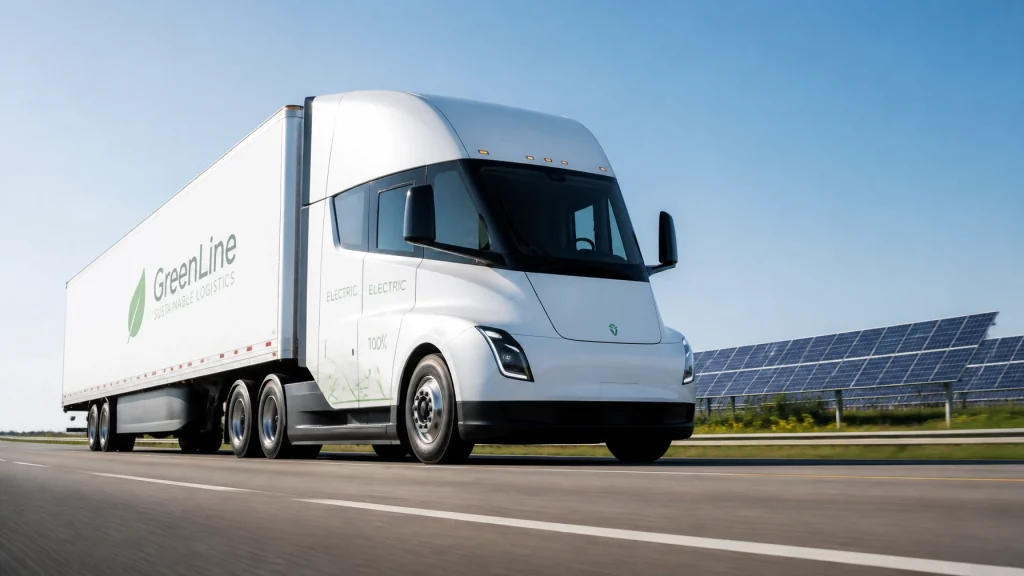
From Solar Highways to Rolling Billboards: The New Blueprint for Sustainable Fleet Advertising
The one thing logistics experts never tell you about the future of branding: your fleet's carbon footprint is now its most powerful marketing asset. In an era where corporate social responsibility is no longer a peripheral concern but a core business driver, the vehicles that transport goods across the continent are evolving into high-tech ambassadors of environmental stewardship. The transition from traditional diesel-powered logistics to a sustainable, electrified ecosystem is fundamentally altering the landscape of transportation marketing. As the industry shifts toward zero-emission solutions, the integration of innovative fleet advertising strategies is creating a new blueprint for how brands communicate their values while moving products to market.
The Infrastructure of Innovation: Electrifying the Freight Corridor
The year 2026 marks a pivotal turning point for the North American logistics sector. One of the most significant developments is the emergence of the first fully electric cross-border freight corridor between the United States and Mexico. Logistics titan DSV has committed to deploying ten Windrose battery-electric Class 8 trucks along the I-35 corridor, a move that signals a massive shift in how long-haul transportation is conducted. These vehicles, which boast a range exceeding 400 miles, are not merely transport tools; they are high-visibility statements of a brand’s commitment to a greener future. When a company chooses to utilize truck side advertising on an electric fleet, the message of innovation and responsibility is amplified by the very nature of the vehicle itself.
This revolution is supported by a rapidly expanding network of high-power charging depots. Companies like WattEV are leading the charge, with plans to open a heavy-duty electric truck charging depot in Fresno by late 2026. These facilities are designed to handle the immense power requirements of Class 8 tractors, often integrating megawatt-level charging standards. For brands, these depots represent more than just refueling stops; they are part of a broader transit advertising network. Through platforms like EVAcrossAmerica.com, companies can now leverage advertising opportunities directly at these sustainable hubs, capturing the attention of a highly targeted audience of logistics professionals and eco-conscious consumers alike.

Harnessing the Sun: The Economic and Environmental Case for Solar
The transition to sustainable logistics is not solely driven by environmental altruism; the economic advantages are becoming increasingly undeniable. Research from Fraunhofer ISE indicates that the integration of solar power and battery storage for electric truck fleets can reduce operational costs by as much as 62.5%. By utilizing on-site solar arrays to power charging hubs, fleet managers can hedge against fluctuating energy prices while significantly lowering their carbon intensity. This "solar highway" model transforms the logistics chain into a self-sustaining loop of energy production and consumption.
At We Ship Green, we recognize that this technological leap provides a unique opportunity for logistics marketing. When a fleet is powered by the sun, every mile traveled serves as a testament to the brand's forward-thinking approach. This narrative is essential for modern companies looking to differentiate themselves in a crowded marketplace. By aligning their visual identity with these green technologies, businesses can cultivate a reputation for reliability and environmental leadership. Industry insights from goTrucking.News often highlight how these branding strategies are essential for fleet managers who wish to remain competitive in an increasingly regulated and scrutinized industry.
The Evolution of Mobile Branding: Sustainable Materials and Minimalist Design
As the vehicles themselves become cleaner, the methods used to brand them are also undergoing a significant transformation. Traditional vehicle wraps have historically relied on PVC-based materials and solvent inks, which pose environmental challenges during both production and disposal. However, a new generation of sustainable graphics is entering the market. Modern fleet branding solutions now prioritize PVC-free materials, bio-based polyurethane films, and water-based inks. Some of the latest innovations include vinyl films with 25% recycled content, allowing brands to reduce their material waste without sacrificing durability or visual impact.
The aesthetic of vehicle graphics is also shifting toward a "less is more" philosophy. Minimalist partial wraps are gaining popularity not only for their clean, modern appearance but also for their ability to reduce material consumption. These designs, when executed with precision, can maintain high brand recall while significantly lowering the environmental footprint of the branding process itself. For businesses looking to optimize their mobile marketing, Teltrans.net offers specialized transportation marketing solutions that bridge the gap between traditional advertising and the new demands of the green economy.

Expanding the Reach: The Mobile Billboard Ecosystem
The power of mobile billboards lies in their ability to reach audiences where they live, work, and travel. A single truck traversing a major metropolitan area or a cross-country highway can generate millions of impressions annually. This high-frequency exposure is a cornerstone of effective truck advertising. Through extensive networks such as MobileHwyAdvertising.com, which manages a network of over 21,000 trucks and trailers, brands can achieve unparalleled visibility. When this reach is combined with the positive associations of a sustainable fleet, the result is a powerful marketing synergy.
At We Ship Green, we have pioneered the use of wind skirt graphics, which serve a dual purpose: improving vehicle aerodynamics to save up to 12% on fuel costs while providing a prominent canvas for brand messaging. This approach exemplifies our commitment to providing solutions that are both cost-efficient and environmentally responsible. By leveraging the existing real estate on a trailer, fleet managers can turn essential aerodynamic equipment into a high-impact advertising asset. This integration of form and function is a critical component of the new face of logistics marketing.

Cultivating a Greener Future: The Integrated Marketing Strategy
The future of fleet advertising is inherently tied to the integration of technology, sustainability, and creative strategy. As we look toward the horizon, the logistics industry is moving toward a more holistic model where the vehicle, the fuel, and the branding all work in harmony to support a single vision of a greener planet. This integrated approach is essential for brands that wish to stay ahead of the curve. Whether it is through the use of electric truck branding or the implementation of circular branding practices, the goal remains the same: to create a logistics ecosystem that is as powerful as it is sustainable.
By partnering with experts who understand the nuances of both the transportation sector and the advertising world, fleet managers can ensure that their message travels as far as their cargo. The transition to a sustainable fleet is a journey, and every step taken: from adopting electric trucks to choosing eco-friendly wrap materials: contributes to a larger narrative of progress. We invite you to explore the innovative services offered at WeShipGreen.com, where we are dedicated to helping your brand move toward a more sustainable and visible future.
The blueprint for the future is clear: the most successful brands of tomorrow will be those that embrace the synergy between green logistics and high-impact mobile marketing today. In a world that is increasingly on the move, your fleet is not just a way to ship products( it is a way to ship a better future.)