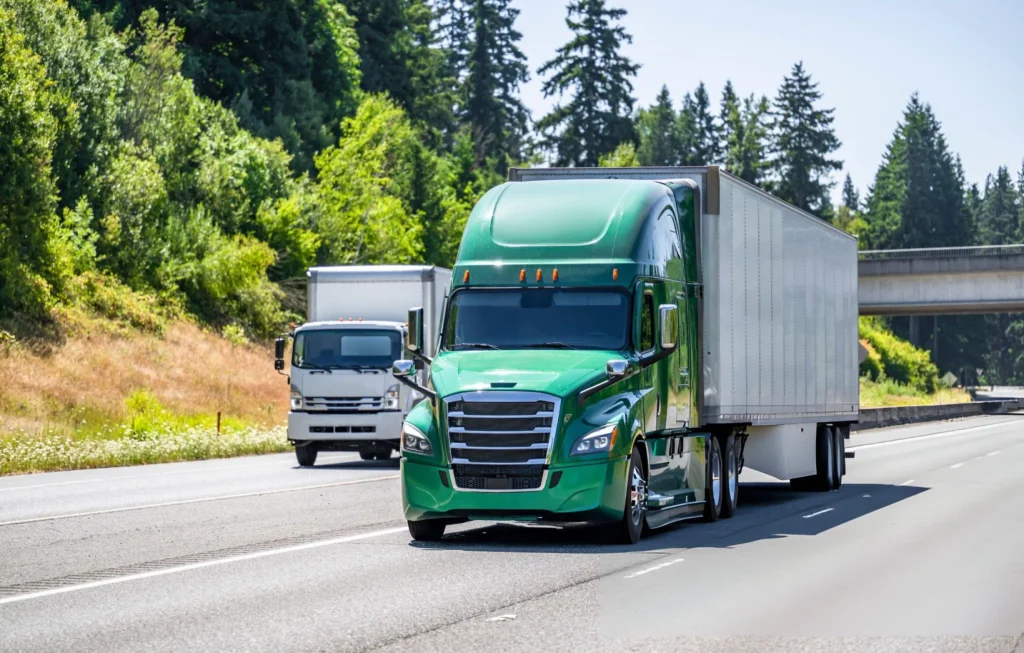
Sustainable Solutions: Bridging Green Logistics and High-Impact Fleet Advertising
Most logistics leaders view sustainability and marketing as separate priorities: until they recognize that the modern fleet can serve both purposes at once. Electric trucks, solar-assisted charging, aerodynamic improvements, and conservation programs are reshaping how freight moves. At the same time, vehicle wraps, vehicle graphics, mobile billboards, and truck side advertising are transforming commercial vehicles into high-impact media platforms.
The opportunity is not simply to operate a greener fleet or to display a more visible brand. The greater opportunity is to connect both strategies into one measurable ecosystem. Through the coordinated capabilities of WeShipGreen.com, Teltrans.net, MobileHwyAdvertising.com, and EVAcrossAmerica.com, fleet managers and brands can cultivate a more efficient, visible, and future-ready transportation network.
Green Logistics Is Becoming a Strategic Business Solution
Sustainable logistics has moved beyond a public-relations objective. Shippers, regulators, investors, employees, and customers increasingly expect transportation companies to demonstrate meaningful progress in energy conservation and emissions reduction. That progress may include electric trucks, renewable energy, improved routing, reduced deadhead miles, idle-reduction programs, and more efficient fleet equipment.
Electric trucks are particularly important for regional and corridor-based freight. Battery-electric Class 8 vehicles are being evaluated and deployed for port drayage, distribution, hub-to-hub transport, and defined interstate routes. Their benefits extend beyond the elimination of tailpipe emissions. Electric drivetrains can reduce noise, simplify maintenance, and support more predictable operating costs when paired with appropriate charging infrastructure.
Current industry reporting from goTrucking.News has emphasized the importance of Megawatt Charging System infrastructure for Class 8 trucks. MCS is designed to deliver the high-power charging required by heavy-duty vehicles without forcing operators into extended, productivity-reducing dwell times. When charging can be coordinated with driver rest periods, loading windows, or scheduled hub activity, electrification becomes more compatible with real-world freight operations.
The broader infrastructure picture is also developing rapidly. Proposed and emerging EV trucking hubs across the Texas Triangle: connecting Dallas–Fort Worth, Houston, Austin, San Antonio, and surrounding freight markets: illustrate how regional freight corridors can become proving grounds for electric transportation. High-speed charging corridors are also being planned along major United States interstates and in the Northeast, where freight density, urban air-quality concerns, and predictable route patterns can support a measured transition to zero-emission transportation.
Solar Charging and Conservation Strengthen the Fleet Foundation
Charging infrastructure must be considered as part of the entire energy ecosystem. A truck cannot become genuinely sustainable merely because its powertrain is electric if the supporting energy strategy is unreliable, unnecessarily carbon-intensive, or financially impractical. This is why solar generation, stationary battery storage, energy management, and charging coordination are increasingly important components of fleet planning.
Solar-assisted battery ecosystems can help logistics facilities manage peak demand, improve resilience, and make better use of locally generated renewable power. During periods of strong solar production, energy can be directed toward fleet charging or stored for later use. Battery systems can then provide supplemental power during high-demand charging periods, reducing pressure on grid connections and supporting more consistent operations.
The EV Across America platform reflects this broader vision by focusing on electric mobility, solar charging, and infrastructure solutions that support a more connected transportation future. The company’s EV ARC solar-powered charging imagery demonstrates how flexible, renewable charging assets can complement traditional depot infrastructure and provide options where trenching or major grid construction may be difficult.
Conservation also applies to fleets that are still operating diesel equipment. Idle reduction technologies, auxiliary power systems, driver coaching, route optimization, and efficient scheduling can reduce unnecessary fuel consumption while the industry moves through its transition period. Solar energy, battery storage, and intelligent energy management can help reduce the need for diesel idling at yards, distribution centers, and staging locations. Each avoided gallon of fuel can represent an operating savings opportunity as well as a measurable environmental improvement.

Aerodynamic Assets Can Become Advertising Assets
Sustainability and advertising can be integrated even before a fleet is fully electrified. Wind skirt graphics are an excellent example. Trailer side skirts and related aerodynamic equipment can reduce turbulence around the undercarriage and improve fuel efficiency. When these surfaces are professionally designed with durable vehicle graphics, they become valuable truck side advertising inventory without compromising the functional purpose of the equipment.
As explained in the We Ship Green guide to wind skirt graphics, aerodynamic packages may contribute to fuel savings of up to 12 percent when combined with other efficiency measures. Actual results vary according to vehicle configuration, speed, route, weather, payload, and maintenance. Nevertheless, the strategic principle is clear: equipment that supports conservation can also support brand visibility.
A wind skirt sits close to the sightline of passing motorists, making it an effective surface for concise messaging, recognizable imagery, and campaign-specific calls to action. For fleet operators, advertising revenue may help offset the cost of aerodynamic improvements. For brands, the placement creates an opportunity to connect their message with a visible investment in more efficient transportation.

Fleet Branding Turns Every Mile into a Marketing Opportunity
A commercial vehicle is more than a transportation asset. It is a moving point of contact that travels through neighborhoods, business districts, distribution centers, and high-volume interstate corridors. With strong creative development and professional installation, a trailer or tractor can become a mobile billboard capable of generating repeated exposure over an extended campaign period.
Vehicle wraps and vehicle graphics are especially effective because they occupy a large physical surface and operate in the environments where people already live, work, commute, and shop. Unlike a static billboard, a wrapped vehicle can reach multiple markets during a single route cycle. Unlike many digital advertisements, fleet advertising cannot be dismissed with a click. Its physical presence creates repeated visual recognition and reinforces brand authority.
Through MobileHwyAdvertising.com, brands can explore mobile highway advertising, truck advertising, vehicle wraps, and other forms of transit advertising that connect campaigns to real fleet movement. The most successful campaigns combine clear visual hierarchy with disciplined messaging. A recognizable brand mark, a short value proposition, a strong contrast palette, and an easy-to-remember web address or QR code are generally more effective than crowded creative.
Fleet branding should also be consistent with the sustainability story it communicates. High-quality materials, durable installation, responsible campaign maintenance, and accurate environmental claims are essential. A brand should not merely place a green message on a truck; it should connect that message to measurable actions such as electric miles, renewable charging, fuel reduction, or lower idle time.
Teltrans Connects Operational Efficiency with Market Reach
Advertising performs best when it is aligned with how the fleet actually operates. Route selection, geographic exposure, dwell time, vehicle type, audience density, and service frequency all influence the value of a campaign. A vehicle wrap on a truck that rarely reaches the intended market will not deliver the same outcome as a strategically placed campaign supported by operational data.
Teltrans.net helps reinforce the logistics and transportation side of the ecosystem through management, consulting, and operational optimization. When transportation planning and advertising planning are considered together, fleet managers can make more informed decisions about vehicle selection, campaign routes, asset utilization, and performance measurement.
This approach also creates opportunities for transparent reporting. Campaigns can track route miles, market exposure, fleet activity, QR-code engagement, lead generation, and other relevant indicators. Sustainability reporting can incorporate electric miles, renewable energy use, fuel savings, or reduced idling where reliable operational data is available. The result is a more credible form of logistics marketing: one that combines visibility with evidence.
Building a More Visible and Sustainable Future
The future of transportation marketing will not be defined by advertising alone, and the future of green logistics will not be defined by technology alone. The strongest solutions will connect infrastructure, operations, communications, and measurable environmental progress.
The We Ship Green ecosystem is designed to support that connection. WeShipGreen.com provides the central vision for sustainable logistics and transportation marketing. Teltrans.net supports operational and consulting needs. MobileHwyAdvertising.com develops high-impact fleet advertising opportunities. EVAcrossAmerica.com advances the conversation around electric transportation, solar charging, and resilient energy infrastructure.
For fleet managers, this ecosystem offers a path to move products more effectively while creating additional value from existing assets. For brands, it offers a way to reach audiences through mobile billboards and truck side advertising while aligning campaigns with conservation and energy stewardship. Together, these solutions can help transform the fleet from a cost center into a more efficient operational platform and a revenue-generating communications channel.
To explore sustainable fleet partnerships, vehicle wraps, transit advertising, or green logistics consulting, visit the We Ship Green contact page.
We Ship Green
Professional Logistics & Transportation Marketing
274 Mt Harvard Ave, Windsor, CO 80550, United States of America
Phone: (323) 255-1212
Email: info@weshipgreen.com
Website: https://weshipgreen.com/