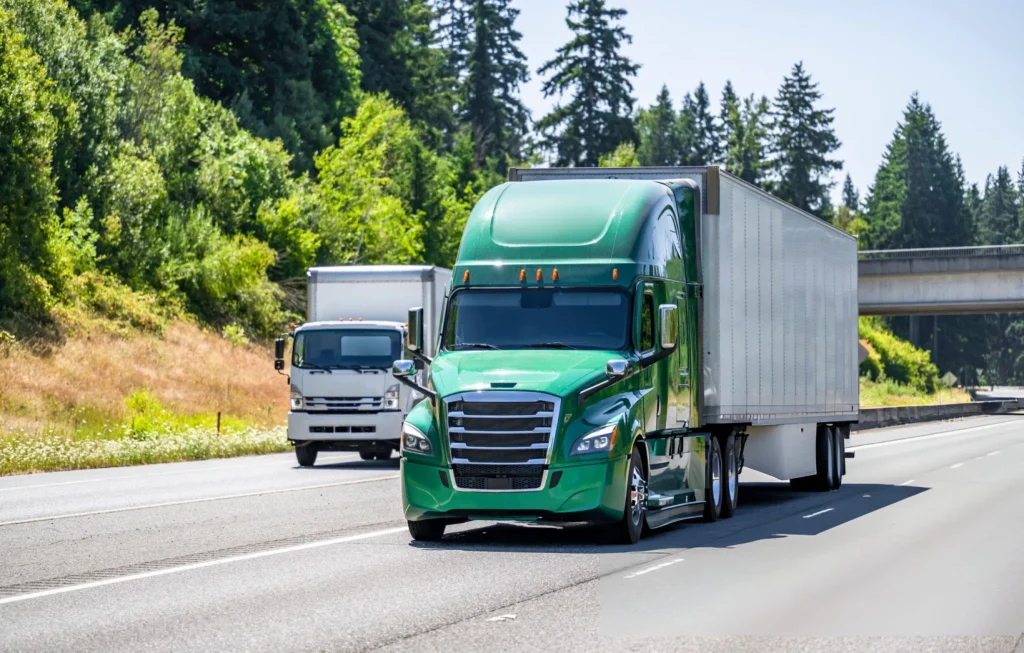
Sustainable Strength: Forging a Greener Future Through Eco-Friendly Fleets and High-Impact Mobile Advertising
A Stronger Standard for Sustainable Logistics
Most fleet managers view environmental responsibility and marketing performance as separate objectives until they see how a modern vehicle can accomplish both at once. An electric truck can reduce tailpipe emissions, a solar charging station can strengthen energy resilience, and a professionally installed wrap can transform the same asset into a mobile billboard. Together, these solutions create a more efficient, visible, and future-ready transportation model.
The We Ship Green ecosystem is built around this convergence. Through the connected capabilities of Teltrans.net, Mobile Hwy Advertising, and EV Across America, fleet managers and brands can approach sustainability, infrastructure, logistics marketing, and fleet advertising as parts of one coordinated strategy. The objective is not simply to place greener vehicles on the road. It is to cultivate a transportation network that moves products efficiently, communicates environmental progress credibly, and produces measurable value for fleet operators and advertisers.
Electric Trucks Establish the Foundation
Electric trucks are moving beyond limited demonstrations and into carefully selected delivery, regional, municipal, and yard applications. Their strongest early use cases typically involve predictable routes, centralized depots, and scheduled charging windows. For fleet managers, this makes electrification a practical process of route assessment, infrastructure planning, pilot deployment, and measured expansion rather than a single overnight conversion.
Recent industry coverage, including reporting and analysis referenced by goTrucking.News, has emphasized the growth of zero-emission freight zones and megawatt-capable charging corridors. These developments are important because they connect vehicle technology with the infrastructure required to make clean freight dependable. As charging hubs expand along significant freight routes, electric trucks can serve not only as transportation assets but also as highly visible symbols of operational progress.
That visibility creates a valuable opportunity for transportation marketing. An electric delivery vehicle operating in an urban corridor or a branded electric tractor traveling between distribution centers communicates a sustainability commitment in the public environment. The message is more persuasive when it reflects a real operational decision supported by route data, charging capacity, and documented emissions goals. In an era when customers and shippers increasingly seek evidence rather than broad environmental claims, the vehicle itself becomes a moving proof point.

Solar Charging Supports Resilient Fleet Operations
The transition to electric trucks must be matched by a thoughtful energy strategy. Solar charging can help fleets reduce dependence on conventional grid power, manage energy costs, and demonstrate a visible commitment to conservation. Depending on the size of the operation, solar solutions may include autonomous off-grid charging units, solar canopies, depot arrays, battery-supported microgrids, or larger renewable-energy installations connected to high-power charging equipment.
For fleet managers, the most effective approach begins with operational realities. Charging design should account for vehicle duty cycles, dwell times, available land, utility capacity, weather patterns, and future fleet growth. A regional delivery fleet may benefit from solar canopies and networked Level 2 chargers, while a heavy-duty freight operation may require high-power DC charging, stationary storage, and a phased plan for megawatt charging.
The branding opportunity is equally significant. A fleet that charges from solar energy can communicate a clear narrative through vehicle graphics, facility signage, digital campaigns, and customer communications. Messages such as “Powered by Renewable Energy” or “Clean Freight in Motion” should be supported by accurate operational information and transparent reporting. EVAcrossAmerica.com provides a useful resource for organizations evaluating electric transportation and charging infrastructure as part of a longer-term sustainability roadmap.
Solar infrastructure also strengthens resilience. During grid interruptions or periods of high demand, distributed generation and storage can help preserve essential fleet operations. This ability to combine transportation assets with energy assets supports a more flexible logistics ecosystem: one designed not merely for lower emissions today, but for dependable performance in the future.
Wind Skirt Graphics Unite Efficiency and Exposure
Aerodynamic improvements remain important across both conventional and electric fleets. Trailer skirts, often called wind skirts, reduce turbulence around the undercarriage and wheels, helping a vehicle move through the air more efficiently at highway speeds. When combined with other aerodynamic technologies, such as gap reducers, low-rolling-resistance tires, automatic tire inflation systems, and rear aerodynamic devices, fleets may achieve meaningful reductions in fuel or energy consumption. Industry discussions cited by We Ship Green’s wind skirt graphics guide note that integrated aerodynamic packages can deliver savings of up to 12 percent in appropriate operating conditions, although actual results vary by vehicle, route, speed, and baseline performance.
The surface of a wind skirt also represents valuable advertising real estate. Professionally designed wind skirt graphics can extend a campaign from the primary trailer side to the lower visual field where motorists often encounter a truck in adjacent traffic. A coordinated design can present a sustainability message, reinforce fleet branding, promote a product, or direct audiences to a digital destination.
This is where Mobile Hwy Advertising connects conservation with commercial performance. Vehicle wraps, vehicle graphics, truck advertising, and mobile billboards allow a fleet to generate brand exposure while its equipment performs its essential logistics function. Unlike a static sign, a branded vehicle can travel through multiple communities, appear near distribution centers and retail districts, and build repeated recognition along established routes.
High-quality production is essential. Graphics must be legible at highway speed, durable under weather exposure, consistent across different vehicle models, and aligned with the brand’s broader identity. The strongest campaigns use simple visual hierarchy, memorable color treatment, concise messaging, and a clear call to action. A sustainable fleet should look as professional as the service it provides.

Fleet Branding Turns Conservation into Communication
Conservation efforts extend well beyond vehicle propulsion. Fleets can reduce their environmental impact through route optimization, idle reduction, preventive maintenance, water reclamation at wash facilities, tire and oil recycling, energy-efficient warehouses, renewable fuels, and responsible material selection. Each measure may appear incremental, but together these practices create a substantial operational narrative.
That narrative deserves disciplined communication. Fleet branding should not rely on vague promises. It should translate actual practices into understandable messages that customers, employees, communities, and supply-chain partners can recognize. A trailer may highlight renewable charging, water conservation, recycled materials, or a measurable emissions objective. Digital campaigns can provide additional context through landing pages, QR codes, case studies, and sustainability reports.
This approach supports more credible logistics marketing. It also helps fleets distinguish themselves during procurement conversations and shipper evaluations, where environmental performance is increasingly considered alongside cost, service reliability, safety, and geographic coverage. A professionally branded fleet can make sustainability visible without separating it from business performance.
A Connected Ecosystem for Greener Growth
The strength of the We Ship Green model is its connected structure. Teltrans.net provides the broader transportation marketing and media foundation. Mobile Hwy Advertising supports high-impact transit advertising through vehicle wraps, truck side advertising, and mobile billboard campaigns. EV Across America focuses attention on electric vehicles, charging infrastructure, and the practical transition toward cleaner transportation. WeShipGreen.com brings these priorities together through sustainable logistics, fleet partnerships, conservation-focused messaging, and expert consulting.
For brands, this ecosystem creates access to transportation audiences through a medium that is difficult to ignore. For fleet managers, it creates opportunities to monetize underused exterior space, strengthen corporate identity, and communicate operational investments. For both groups, it establishes a framework in which every mile can carry freight, generate visibility, and reinforce a greener future.
Current industry developments reported through goTrucking.News demonstrate why this alignment matters. As electric truck deployments, zero-emission freight zones, renewable charging, and data-driven fleet management continue to develop, transportation companies will need solutions that combine infrastructure, operations, communication, and accountability. Sustainable strength will belong to organizations capable of connecting those elements rather than treating them as isolated initiatives.
Building the Future in Motion
A greener logistics ecosystem will not be created by one technology or one campaign. It will be forged through practical decisions: deploying electric trucks where they create operational value, powering them with increasingly renewable energy, improving aerodynamic performance, investing in conservation, and using fleet advertising to make progress visible.
Vehicle wraps and vehicle graphics can turn everyday routes into sustained brand exposure. Mobile billboards and transit advertising can reach audiences across urban streets and national highways. Truck side advertising can connect commercial messages with genuine sustainability initiatives. Together, these tools give fleets and brands a way to pursue both environmental responsibility and measurable market impact.
We Ship Green invites fleet managers, shippers, and forward-thinking brands to explore a more integrated future for logistics marketing and transportation marketing.
We Ship Green
274 Mt Harvard Ave
Windsor, CO 80550, United States of America
Phone: (323) 255-1212
Email: info@weshipgreen.com
Contact We Ship Green