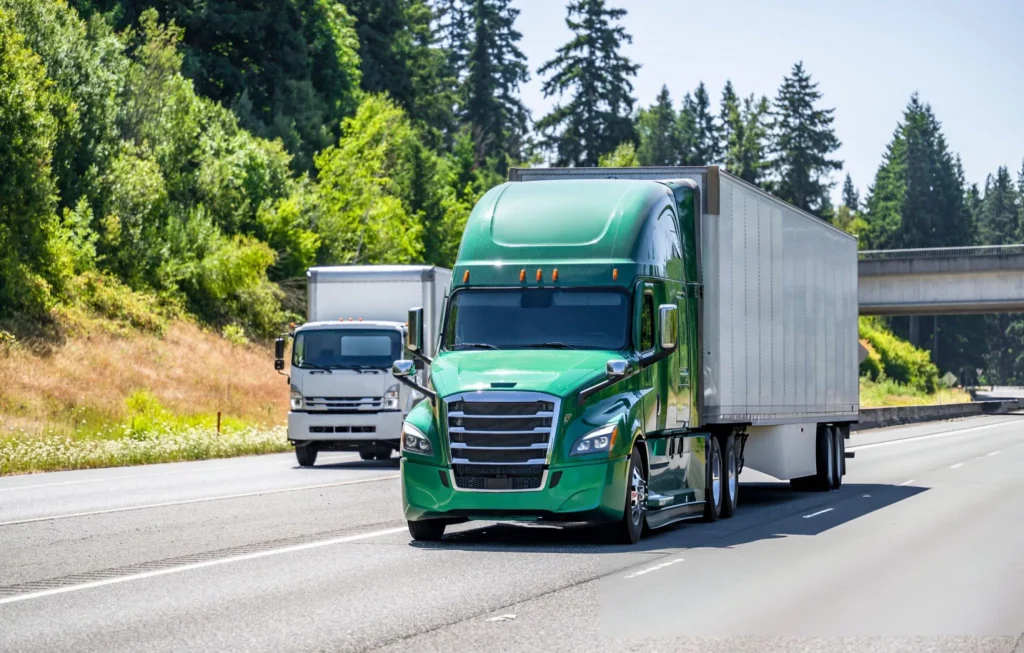
Sustainable Solutions: Uniting Electric Trucks, Solar Charging, and Fleet Advertising for a Greener Ecosystem
Most fleet managers view sustainability and marketing as separate priorities until they recognize that the same truck can reduce emissions, strengthen brand credibility, and function as a high-impact mobile billboard. The next generation of logistics is being shaped by this convergence. Electric trucks, renewable charging infrastructure, aerodynamic improvements, and strategic vehicle graphics are forming a connected ecosystem in which operational efficiency and public visibility reinforce one another.
For fleet managers and brand leaders, this development creates a timely opportunity. Sustainable logistics is no longer limited to fuel reduction or compliance. It is becoming a comprehensive business strategy that includes energy planning, conservation efforts, fleet branding, and transportation marketing. Through the connected capabilities of Teltrans.net, MobileHwyAdvertising.com, EVAcrossAmerica.com, and WeShipGreen.com, organizations can cultivate a greener and more recognizable presence across the national transportation network.
Sustainable Shift: Electric Trucks and Smarter Freight
Electric trucks are moving from pilot programs toward practical deployment in regional, urban, and increasingly long-haul applications. The latest industry context reflects a clear progression: manufacturers, fleet operators, utilities, and energy developers are working to connect vehicle technology with reliable charging access. Coverage from goTrucking.News highlights the broader innovation taking place across the trucking industry, including electric fleet technology, advanced telematics, and the growing importance of strong transportation branding.
The operational case for electric trucks extends beyond tailpipe emissions. Electric drivetrains can reduce exposure to diesel price volatility, simplify certain maintenance requirements, and create a quieter working environment for drivers and surrounding communities. Their value becomes even stronger when fleet managers align vehicle deployment with duty cycles, charging windows, route density, and available energy resources. A well-planned electric fleet is not merely a collection of new vehicles. It is an integrated operating system that connects depot infrastructure, energy management, driver needs, route planning, and customer expectations.
Recent examples demonstrate that this transition is occurring across different markets. The HOYER Group’s electric truck deployment in Switzerland illustrates how intelligent depot charging can support daily operations. The company’s electric vehicles are scheduled around planned assignments, demonstrating the importance of matching charging strategy to real fleet requirements rather than relying on a one-size-fits-all model.
Solar Charging: Building Resilient Energy Corridors
High-capacity charging is essential for the future of heavy-duty electric trucks. Megawatt Charging Systems are intended to reduce charging downtime and support long-haul operations during planned driver breaks or scheduled depot stops. However, rapid charging also places significant demands on local electrical infrastructure. This is where solar generation and battery storage become strategic components of the logistics ecosystem.
In Niestetal, Germany, ESG-Solar’s megawatt truck-charging park pairs high-power charging with a 2.1 MWp solar park and 1,000 kWh of battery storage. The project offers an instructive model for future freight hubs: renewable energy can be generated on-site, stored for peak demand, and directed toward commercial vehicles without treating the electrical grid as the only source of power.
Comparable concepts are relevant to major American freight corridors, including the Texas Triangle connecting Dallas–Fort Worth, Austin, San Antonio, and Houston. Industry discussions increasingly point toward large electric trucking hubs and off-grid or grid-supported solar charging sites serving these high-volume routes. EV Across America supports the broader vision of building the infrastructure, information, and partnerships necessary for a more practical national electric transportation network.

Solar charging is also valuable at the depot level. On-site photovoltaic systems, battery storage, energy-management software, and scheduled charging can help fleets control costs and improve resilience. These assets can be branded as part of a visible sustainability strategy, transforming a charging facility from a back-end utility into a public demonstration of operational responsibility.
Auxiliary Advances: Reducing Idling and Emissions
The transition to electric trucks will take time, and conservation efforts applied to existing diesel fleets remain important. Solar panels mounted on tractors and trailers are increasingly being used to power auxiliary systems, including HVAC, refrigeration, liftgates, lighting, and sleeper-cab electronics. These solar-assisted operations reduce the need for engine idling and diesel-powered auxiliary power units.
Industry reporting indicates that solar systems can reduce diesel consumption associated with hotel loads and auxiliary equipment, with savings varying according to vehicle type, route, weather, and operating profile. Research and fleet trials have reported reductions ranging from several hundred to several thousand liters of diesel annually in specific applications. Solar-powered refrigeration and battery-supported cab systems are especially relevant because they address energy demands that would otherwise continue even when a truck is stationary.
This approach is practical because it does not require every fleet to electrify at once. A mixed fleet can begin with solar-assisted trailers, anti-idling systems, aerodynamic equipment, and renewable depot energy while gradually introducing battery-electric trucks. Each improvement contributes to a larger conservation strategy and provides measurable data that can guide future investments.
Wind skirt graphics offer another example of sustainability and visibility working together. Aerodynamic trailer skirts can reduce drag and improve fuel efficiency, while their broad, low-positioned surfaces provide an additional canvas for professional vehicle graphics. A wind skirt can communicate a fleet’s environmental mission through clear messaging, directional design, or a visual connection to solar and wind energy. The result is a functional component that also supports fleet branding.
Mobile Marketing: Turning Fleets into Moving Messages
A truck travels through communities, freight corridors, business districts, and residential areas every day. With well-designed vehicle wraps and vehicle graphics, that movement becomes a continuous communication channel. Fleet advertising enables carriers to generate additional value from assets already required for transportation, while brands gain access to a highly visible form of transit advertising.
Truck side advertising is particularly effective because the side panel of a trailer provides substantial surface area and extended exposure in traffic. Unlike a static billboard, a branded truck moves across multiple markets and can reach audiences at distribution centers, retail areas, intermodal facilities, and major interstates. These mobile billboards create repeated impressions while supporting a message that is both physical and memorable.
The sustainability narrative can be integrated directly into the design. A campaign may feature language such as “Solar-Charged Freight,” “Electric Miles Ahead,” or “Moving Products, Protecting Resources,” provided that the claims are accurate and supported by operational data. Transparent messaging is essential. Brands should identify what portion of energy is solar-generated, whether the vehicle is fully electric or solar-assisted, and which conservation measures are in place. This discipline protects credibility and helps distinguish genuine sustainability from greenwashing.
MobileHwyAdvertising.com connects brands with fleet advertising opportunities, including vehicle wraps, truck advertising, and mobile billboard campaigns. Through thoughtful placement and consistent visual standards, a fleet can communicate reliability, innovation, and environmental stewardship at highway scale.

Ecosystem Excellence: Connecting Operations and Outreach
A sustainable logistics ecosystem is strongest when each participating capability supports the others. Teltrans.net can contribute transportation consulting and operational guidance. EVAcrossAmerica.com represents the infrastructure and electrification dimension. MobileHwyAdvertising.com provides the advertising platform that turns fleet movement into measurable brand exposure. We Ship Green brings these priorities together through marketing, fleet partnerships, and sustainability-focused consulting.
This connected approach allows fleet managers to evaluate more than vehicle acquisition. They can consider charging infrastructure, auxiliary energy use, aerodynamic improvements, route visibility, advertising partnerships, and customer communication as components of one long-term plan. Brands can likewise identify fleets whose operational practices align with their environmental commitments, creating campaigns that are more credible because the medium supports the message.
The latest goTrucking.News coverage on fleet innovation and branding on the open road reflects this changing industry landscape. The publication continues to provide thought leadership on branding, technology, and sustainable trucking, helping transportation professionals understand how operational progress and market identity increasingly intersect.
Greener Growth: Moving Forward with Purpose
The future of transportation marketing will belong to organizations that understand visibility as part of operational value. Electric trucks, solar charging, solar-assisted auxiliary systems, wind skirt graphics, and conservation programs can reduce environmental impact while creating a stronger story for customers, partners, and communities.
The opportunity is not to choose between green technology and high-impact advertising. It is to unite them. A fleet can conserve energy, improve efficiency, support drivers, and carry a message that reaches thousands of people each day. Through strategic fleet branding and responsible logistics marketing, every mile can contribute to both commercial growth and environmental progress.
We Ship Green helps fleet managers and brands develop innovative solutions that move products effectively, promote energy conservation, and create lasting visibility.
We Ship Green
Innovative Marketing and Logistics Consulting
274 Mt Harvard Ave, Windsor, CO 80550
Phone: (323) 255-1212
Email: info@weshipgreen.com
Website: WeShipGreen.com
Contact We Ship Green | Our Services | Marketing and Advertising Services