The Ultimate Guide to Circular Fleet Branding: How Modular Wraps Save Costs and the Planet
The one thing industry experts never tell you about fleet branding is that the traditional approach to full vehicle wraps is becoming an obsolete relic of a less efficient era. For decades, logistics managers and marketing directors have operated under the assumption that a single, massive adhesive film was the only path to a professional aesthetic. However, the emergence of circular fleet branding and modular vehicle wraps has fundamentally disrupted this narrative, offering a paradigm shift that harmonizes fiscal responsibility with environmental stewardship. In a landscape where every mile must be accounted for and every brand impression must resonate with authenticity, the transition to modular graphics is not merely a trend: it is a strategic imperative for the future-ready enterprise.
Revolutionary Resilience: The Rise of Modular Mechanics
The foundational architecture of circular fleet branding rests upon the innovative application of modular vehicle wraps. Unlike traditional wraps that require a monolithic sheet of vinyl to be meticulously stretched and heated over every contour of a vehicle, modular systems utilize precision-engineered panels that are pre-cut to fit specific body sections. By leveraging advanced 3D scanning technology and digital cutting tools, companies like We Ship Green can provide branding solutions that are tailored to the unique geometry of diverse vehicle types. This modularity ensures that the visual integrity of the brand remains intact while significantly reducing the complexity of the installation process. Each panel functions as an independent component of a larger, cohesive aesthetic, allowing for a level of precision and consistency that was previously unattainable through manual application methods.
Furthermore, the mechanical advantages of modularity extend into the operational lifecycle of the vehicle. When a traditional wrap sustains damage from road debris or a localized accident, the repair process often necessitates the removal and replacement of large sections, if not the entire side of the trailer. In contrast, modular branding allows for the targeted replacement of only the affected panel. This surgical approach to maintenance ensures that fleet managers can uphold the highest standards of presentation without incurring the exorbitant costs or extensive downtime associated with comprehensive re-wraps. By embracing this circular philosophy, organizations are cultivating a more resilient branding infrastructure that can withstand the rigors of the modern transportation landscape while maintaining a pristine corporate image at all times.

Fiscal Foresight: Maximizing ROI through Efficient Execution
In the highly competitive logistics sector, the optimization of marketing spend is paramount. Modular vehicle wraps represent a significant breakthrough in fiscal efficiency, offering cost savings that typically range from 30% to 50% compared to conventional wrapping techniques. These savings are realized through multiple channels, beginning with a reduction in material consumption. Because modular kits are pre-cut to the exact dimensions of the vehicle’s panels, the amount of wasted vinyl is drastically minimized, often by as much as 40%. This efficiency in material usage directly translates to lower upfront costs for the brand, allowing for a more widespread deployment of high-impact truck side advertising across the entire fleet.
Operational uptime is another critical factor where modularity delivers a superior return on investment. According to recent industry reports featured on goTrucking.News, traditional full wraps can sideline a vehicle for several days, resulting in significant lost revenue. Modular installations, however, are frequently completed in a single afternoon, representing an installation speed that is up to 75% faster than legacy methods. This rapid turnaround ensures that the fleet remains in active service, effectively transforming every vehicle into a revenue-generating mobile billboard with minimal interruption to logistics schedules. By reducing both the direct costs of the branding material and the indirect costs of vehicle downtime, modular wraps provide a compelling financial case for any data-driven fleet operator.
Sustainable Stewardship: Cultivating a Greener Logistics Landscape
Environmental responsibility has transitioned from a peripheral concern to a core business objective for global logistics leaders. Circular fleet branding is a primary vehicle for achieving these sustainability goals, as it directly addresses the environmental impact of marketing materials. Traditional PVC-based wraps contribute significantly to the waste stream, both during the production phase and at the end of their functional life. By reducing vinyl usage and eliminating the need for full-scale re-wraps, modular branding can lower the lifecycle carbon footprint of fleet graphics by up to 73%. This commitment to conservation efforts is not only beneficial for the planet but also strengthens the brand’s positioning as a leader in the green transition.
The integration of circular principles into fleet branding also aligns with the broader push toward sustainable infrastructure. Platforms like EVAcrossAmerica.com emphasize the importance of holistic environmental strategies that encompass both the vehicle's powertrain and its ancillary components. Modular wraps complement this vision by utilizing more sustainable materials, such as PVC-free films and eco-friendly inks, ensuring that every aspect of the transportation marketing strategy is consistent with the organization’s green values. By minimizing waste and maximizing the longevity of branding assets, companies are demonstrating a profound respect for natural resources while simultaneously future-proofing their operations against increasingly stringent environmental regulations.

Dynamic Delivery: Transforming Trucks into High-Impact Mobile Billboards
Mobile advertising remains one of the most effective channels for reaching a diverse and widespread audience. The sheer scale and mobility of a logistics fleet provide a unique opportunity for high-frequency brand exposure. Through MobileHwyAdvertising.com, brands can leverage their existing assets to create powerful transit advertising campaigns that command attention on the highway. Modular branding enhances this capability by allowing for greater flexibility in messaging. Since individual panels can be replaced without disturbing the core branding, companies can easily update vehicle graphics to promote seasonal campaigns, specific service offerings, or localized contact information.
Furthermore, the application of modular graphics to aerodynamic components, such as wind skirts, creates a synergistic effect between efficiency and visibility. Wind skirt graphics serve a dual purpose: they improve the vehicle's fuel economy while providing a prime surface for branding. These "rolling billboards" are particularly effective because they occupy a space that is naturally eye-level for other motorists, maximizing the impact of the fleet advertising message. By treating every surface of the vehicle as a strategic opportunity for communication, brands can achieve a higher level of engagement and recall than through static advertising channels alone.
Electrified Excellence: Future-Proofing the Modern Fleet
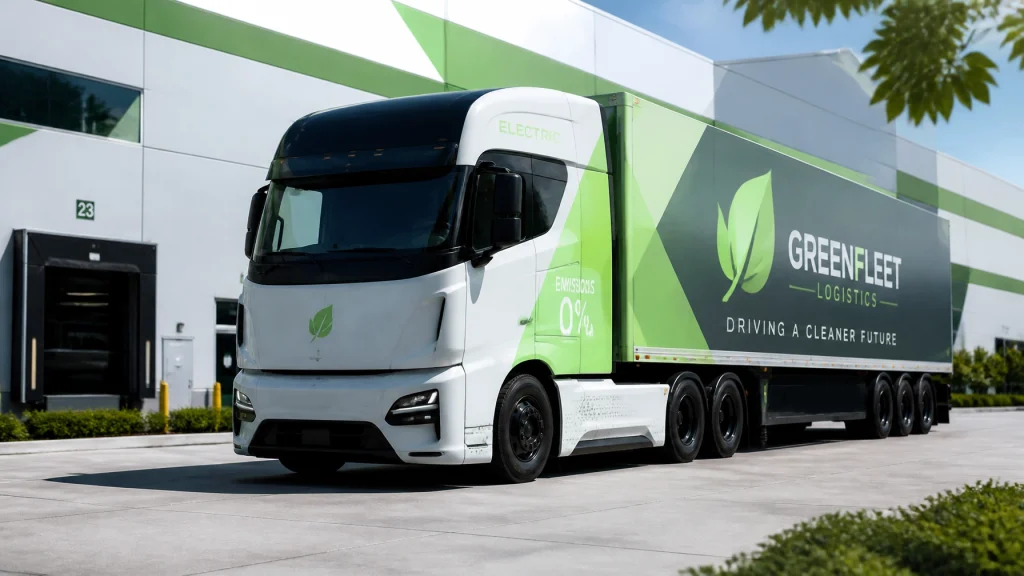
As the logistics industry accelerates its transition toward electrification, the role of fleet branding is evolving to reflect this technological advancement. Electric trucks are not just tools for transportation; they are symbols of progress and innovation. Teltrans.net provides the essential logistics expertise needed to navigate this transition, and modular branding serves as the visual manifestation of this modern era. Fleet branding for electric trucks often features clean, vibrant aesthetics that highlight the vehicle’s zero-emission capabilities, using high-visibility reflective materials to ensure the message is seen 24/7.
The synergy between electric vehicles and modular graphics is further enhanced by the infrastructure that supports them. For instance, solar charging stations represent the next frontier of sustainable logistics, and the branding on these units must be as innovative as the technology itself. By employing a unified modular approach across both the fleet advertising and the supporting infrastructure, companies can create a cohesive and powerful narrative of environmental leadership. This holistic approach to logistics marketing ensures that the brand remains at the forefront of the industry’s evolution, cultivating a reputation for excellence that is both technologically advanced and ecologically responsible.

The move toward circular fleet branding through modular vehicle wraps is more than a tactical decision; it is a commitment to a new standard of operational excellence. By prioritizing efficiency, sustainability, and high-impact communication, organizations are positioning themselves to thrive in a rapidly changing world. At We Ship Green, we are dedicated to providing the innovative solutions and expert consulting required to transform your fleet into a powerful asset for both your brand and the planet. We invite you to join us in cultivating a future where logistics and marketing exist in perfect harmony with the environment.
For more information on how to implement circular fleet branding in your organization, contact us today:
We Ship Green
Expert Logistics & Transportation Marketing
Website: weshipgreen.com
Industry Context: goTrucking.News
Partners: Teltrans.net | MobileHwyAdvertising.com | EVAcrossAmerica.com