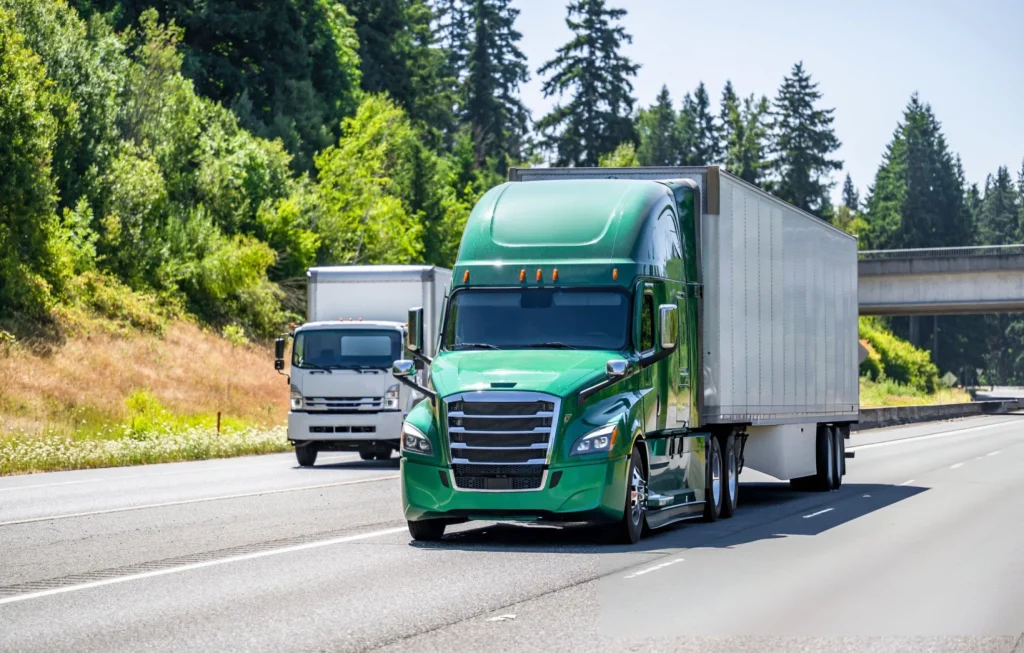
Sustainable Serenity: Cultivating a Greener, Greener Logistics Ecosystem
The future of logistics is being shaped by two powerful forces: the urgent need for environmental stewardship and the growing demand for more visible, measurable brand communication. Most transportation leaders have treated these priorities as separate initiatives until now. The emerging opportunity is to unite them through a sustainable logistics ecosystem in which cleaner vehicles, renewable energy, conservation technology, and high-impact advertising reinforce one another.
At We Ship Green, we believe the fleet of the future should do more than move products efficiently. It should reduce unnecessary emissions, support energy conservation, communicate corporate values, and create measurable value for fleet owners and brand partners. Through the connected capabilities of Teltrans.net, MobileHwyAdvertising.com, EVAcrossAmerica.com, and WeShipGreen.com, transportation companies can cultivate a cleaner and more commercially powerful path forward.
Electrification Enters the Freight Ecosystem
Recent industry context followed by goTrucking.News reflects a significant transition in heavy-duty transportation. Class 8 electric trucks are moving beyond isolated pilot programs as manufacturers, utilities, and infrastructure developers plan connected charging corridors and EV trucking hubs. The Texas Triangle, formed by the Dallas–Fort Worth, Houston, Austin, San Antonio, and surrounding freight markets, has become an important proving ground for this movement.
Projects along the I-45 and I-35 corridors demonstrate how freight electrification is evolving from a vehicle decision into a regional infrastructure strategy. High-power charging sites are being designed with pull-through lanes, overnight parking, and charging systems capable of supporting current and future heavy-duty equipment. Coverage of Greenlane’s Texas expansion, for example, illustrates the development of truck-focused charging along the Dallas–Houston corridor. The Texas Electric Vehicle Charging Plan likewise underscores the importance of strategically spaced charging locations on major freight routes.
The Northeast presents a different but equally important challenge. Dense ports, distribution centers, constrained real estate, and heavily used interstate routes create substantial demand for depot charging and corridor-scale infrastructure. The federal National Zero-Emission Freight Corridor Strategy recognizes that the transition will require coordinated investment in charging hubs, utility capacity, energy storage, and fleet planning. For fleet managers, this means electrification should be approached as a phased ecosystem rather than a single equipment purchase.

Solar Charging and Smarter Power Management
Electric trucks can reduce tailpipe emissions, but the environmental and financial benefits become stronger when charging is supported by renewable energy and intelligent load management. Solar charging stations, battery storage, and microgrid controls can help fleets reduce exposure to peak utility rates while improving resilience during grid interruptions. These systems also make it easier for logistics operators to document the environmental benefits of their transportation strategy.
For larger Class 8 operations, solar canopies and ground-mounted arrays can be combined with stationary batteries and high-power chargers. The resulting energy ecosystem can distribute charging throughout the day, store solar generation for later use, and reduce the strain that simultaneous truck charging may place on local infrastructure. Smaller depots may begin with autonomous or modular solar charging platforms before expanding into more substantial charging hubs.
Onboard power management is another important part of the conservation effort. As reported in industry coverage of Vanair’s EPEQ solar-battery ecosystem, solar-assisted batteries, inverters, and auxiliary systems can help power hotel loads and equipment without requiring the main diesel engine to idle. Reducing idling lowers fuel consumption, engine wear, and associated emissions while improving operational efficiency. Mobile charging solutions can also offer supplemental support while permanent heavy-duty infrastructure continues to develop.
EVAcrossAmerica.com provides an important point of connection for organizations evaluating electric trucks, charging infrastructure, and the broader movement toward cleaner transportation. The objective is not merely to replace diesel equipment. It is to create a coordinated power strategy that supports reliable freight movement over the long term.
Wind Skirt Graphics Unite Conservation and Communication
Aerodynamic improvements remain valuable across both diesel and electric fleets. Wind skirts, trailer side fairings, gap reducers, and related equipment can reduce drag and improve energy efficiency when properly specified for a vehicle’s duty cycle. On an electric truck, every efficiency gain can contribute to improved range and reduced charging demand. On a conventional truck, aerodynamic improvements can lower fuel use during high-mileage operations.
The exterior of a wind skirt also creates a highly visible location for vehicle graphics and branded messaging. This allows a conservation technology to become a functional communications asset. A fleet can display a concise sustainability message, a corporate identity, a QR code, or a campaign designed for the specific freight lanes the vehicle serves. Through well-designed vehicle wraps, brands can transform trailers, tractors, and delivery vehicles into moving communications platforms without compromising the engineering purpose of the equipment.
This combination is especially relevant to modern fleet branding. A vehicle equipped with aerodynamic technology and branded to communicate responsible transportation presents a coherent story: the company is reducing waste, investing in efficiency, and making its values visible. The message is most credible when supported by measurable operational practices rather than general environmental claims.

Mobile Marketing Makes Every Mile More Valuable
The growth of electric and energy-efficient fleets creates a strong foundation for more purposeful logistics marketing. Commercial vehicles already travel through major population centers, industrial districts, and regional markets. With strategic design and route planning, they can serve as mobile billboards that deliver repeated exposure across the same high-value corridors.
Unlike a stationary billboard, a branded truck can reach multiple communities in one operating day. Truck side advertising places the message at eye level for motorists, pedestrians, warehouse personnel, and local business owners. Full and partial wraps, trailer panels, wind skirt graphics, and cab branding can be integrated into a single visual system. This form of transit advertising is particularly effective for brands seeking broad awareness while demonstrating support for sustainable transportation.
The commercial value extends to fleet owners. With the right fleet partnership, advertising revenue can help offset operating costs, support the adoption of cleaner equipment, or fund additional conservation initiatives. For brands, the vehicle becomes a tangible expression of their commitment to responsible commerce. For transportation companies, fleet advertising becomes an additional business asset rather than an afterthought.

Measurement Protects the Mission
A sustainable logistics ecosystem must be measurable. Fleet managers should track energy consumption, idling reduction, route performance, charging utilization, maintenance changes, and emissions improvements. Marketing partners should measure route exposure, estimated impressions, campaign duration, audience geography, website traffic, and lead activity. When these data streams are considered together, the business can evaluate both conservation performance and advertising return.
Teltrans.net can support the operational and analytical side of this process, helping transportation organizations connect fleet performance with broader business objectives. MobileHwyAdvertising.com can help align campaign creative with vehicle placement, route characteristics, and audience priorities. This coordination creates a more disciplined form of transportation marketing, where sustainability claims are supported by real operational evidence and advertising outcomes are evaluated with greater precision.
This transparency is essential to avoiding greenwashing. A campaign should not imply that a vehicle is fully emissions-free when it is not. Instead, it should clearly communicate the steps a company is taking, whether that involves electric trucks, solar charging, reduced idling, aerodynamic improvements, renewable energy procurement, or conservation partnerships. Honest messaging builds stronger trust and creates a more durable relationship between the brand and its audience.
Cultivating the Connected Future
The green logistics ecosystem will not be built through one technology or one company. It will emerge through the coordination of vehicles, charging infrastructure, energy management, fleet intelligence, creative strategy, and public communication. Electric trucks and Class 8 charging corridors provide the foundation. Solar and battery systems strengthen resilience. Wind skirt graphics and aerodynamic upgrades improve efficiency while expanding valuable advertising space. Vehicle wraps and mobile billboards ensure that progress is visible wherever freight travels.
The We Ship Green ecosystem is designed to help organizations move through this transition with purpose. EVAcrossAmerica.com connects the conversation to electrification and energy infrastructure. Teltrans.net supports logistics intelligence and operational planning. MobileHwyAdvertising.com develops high-impact fleet campaigns. WeShipGreen.com brings these capabilities together around a mission of greener, more cost-effective transportation.

The next generation of logistics will be judged not only by how quickly products move, but by how intelligently and responsibly they move. Companies that unite conservation with communication will be better positioned to earn customer trust, improve operating performance, and future-proof their fleets. To explore sustainable fleet partnerships, electric transportation marketing, and high-visibility advertising solutions, visit the We Ship Green contact page.
We Ship Green
274 Mt Harvard Ave
Windsor, CO 80550, United States of America
Phone: (323) 255-1212
Email: info@weshipgreen.com
Website: https://weshipgreen.com/