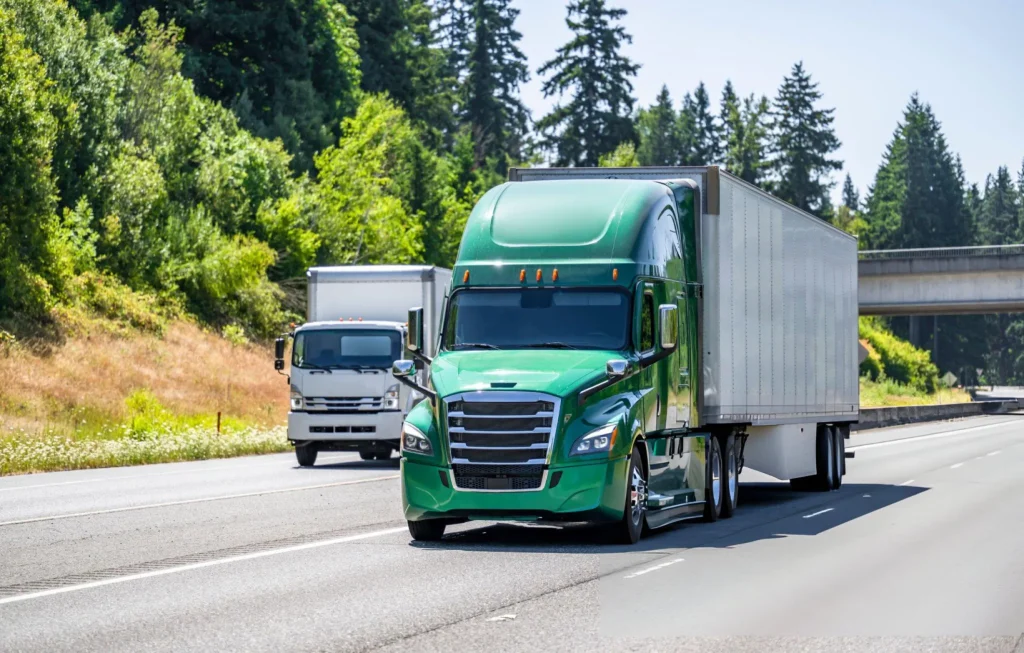
Greener Growth: Connecting Sustainable Logistics and Mobile Fleet Marketing
Sustainable Systems, Strategic Storytelling
Most fleet operators think sustainability belongs in the operations department and marketing belongs somewhere else, until they recognize that the same vehicle can conserve energy, strengthen brand identity, and communicate corporate responsibility on every route. The future of logistics will be shaped by organizations that connect these functions rather than manage them in isolation.
Sustainable logistics is no longer limited to a discussion about fuel type. It includes energy management, route efficiency, fleet modernization, conservation efforts, responsible infrastructure, and the ability to demonstrate progress with credible communication. At the same time, mobile fleet marketing has matured beyond a logo placed on a truck door. Vehicle wraps, vehicle graphics, mobile billboards, transit advertising, and truck side advertising can transform ordinary fleet movement into a visible, consistent expression of a company’s values.
We Ship Green exists at this intersection. Through fleet partnerships, consulting, and transportation marketing solutions, the company helps brands and fleet managers create campaigns that travel with the vehicles already moving products through communities and commercial corridors. The result is a more connected ecosystem in which efficient transportation supports powerful communication, and powerful communication helps make sustainable transportation more valuable.
Electric Evolution, Energy Awareness
Electric trucks are becoming an increasingly important part of the transportation conversation, particularly as fleet managers evaluate emissions goals, operating requirements, infrastructure limitations, and total cost considerations. The practical path forward will not look identical for every carrier. Some organizations may begin with electric cargo vans or regional delivery vehicles, while others may evaluate electric trucks for dedicated routes, terminal operations, or carefully selected freight lanes.
This measured approach is essential. Electrification requires more than purchasing vehicles. Fleet leaders must consider charging schedules, facility capacity, route length, battery performance, driver training, maintenance practices, and the availability of appropriate charging locations. EVAcrossAmerica.com contributes to this broader ecosystem through electric vehicle infrastructure, digital advertising, business consulting, and related transportation solutions.
Solar charging stations provide another opportunity to connect operational improvements with public-facing sustainability. Off-grid and solar-assisted charging designs can support flexible deployment in suitable locations, while solar canopies and larger renewable-energy installations may contribute to depot planning and energy resilience. These solutions require careful feasibility analysis, but they also give businesses a visible way to show that conservation is integrated into daily operations rather than presented only as a marketing statement.

A charging station can therefore function as both infrastructure and communication. When an electric vehicle is charged through a thoughtfully planned energy system and branded with accurate, restrained messaging, the fleet becomes a practical demonstration of progress. The strongest campaigns do not exaggerate environmental outcomes. They explain what the organization is implementing, identify the partners involved, and communicate a commitment to continued improvement.
Aerodynamic Advances, Advertising Assets
Sustainability also depends on improving the performance of existing equipment. Wind skirt graphics illustrate how a functional trailer surface can support both conservation and visibility. Wind skirts, also known as trailer side fairings, are designed to manage airflow around portions of a tractor-trailer. Their effectiveness depends on vehicle design, operating conditions, installation quality, route profile, and other aerodynamic factors, so fleet managers should evaluate performance through appropriate testing and operational data.
Once installed, these surfaces can also become high-value advertising space. A professionally designed wind skirt graphic places a brand message closer to the eye level of passing motorists while preserving the visual continuity of the trailer. This creates a useful relationship between engineering and communication: the fleet is being evaluated for how efficiently it moves, and the same asset is being evaluated for how effectively it communicates.
The We Ship Green guide to wind skirt graphics explains this connection in greater detail. Its central principle is straightforward: fleet improvements should be considered as part of a larger business strategy. A wind skirt should not be treated as a decorative panel, and a graphic should not be treated as an afterthought. Together, they can support a fleet manager’s goals for conservation, professional presentation, and logistics marketing.

This approach is especially relevant for brands that want their environmental commitments to be visible in the physical world. A clear message about energy conservation, efficient delivery, renewable infrastructure, or responsible commerce can travel through the same corridors as the products being delivered. The message becomes part of the transportation experience without requiring a separate static advertising structure.
Fleet Branding, Roadside Recognition
GoTrucking.News coverage reflects a transportation industry that is becoming more technology-driven, strategically branded, and partnership-oriented. Recent reporting on tech-driven trucking innovation discusses developments such as advanced telematics, predictive maintenance, AI-supported dispatch, video telematics, and electric truck technology. These tools are reshaping how fleets monitor vehicles, plan routes, protect uptime, and make operational decisions.
That technological evolution has a direct relationship with fleet branding. A modern fleet is not merely a collection of trucks; it is a coordinated operating system with a public identity. Consistent vehicle wraps, legible vehicle graphics, and disciplined design standards can help a carrier communicate reliability before a customer ever reviews a service proposal. As explored in GoTrucking.News coverage of branding on the open road, a strong identity extends beyond a logo to include consistency across the fleet, digital channels, customer materials, and daily operations.
For brands seeking exposure, this consistency creates a mobile billboard network with practical movement behind it. MobileHwyAdvertising.com: which may also appear as MobileHwyAds.com: connects advertisers with out-of-home opportunities involving tractor-trailers, trailers, wind skirts, tracking, graphics, and other transportation assets. Its published materials describe a network-based model supported by printing capabilities, service centers, installation resources, and GPS-based tracking.
Fleet advertising should be planned with the same discipline as any other marketing channel. The campaign needs a defined audience, a clear message, appropriate geographic coverage, durable materials, and a way to evaluate performance. A truck side advertising campaign may support broad brand awareness, regional customer acquisition, recruiting, public education, or a sustainability initiative. The creative must remain readable at highway speed, while the call to action should be simple enough for a viewer to remember.
Connected Companies, Greener Growth
The value of this work increases when the ecosystem operates as a coordinated network. Teltrans.net presents itself as a transportation marketing holding company representing complementary brands and services, including Mobile Hwy Advertising, We Ship Green, EV Across America, and GoTrucking.News. Its service offering also includes consulting, AI-supported CRM software, social media management, and recruiting services for transportation organizations.
This network reflects a broader reality in logistics: no single technology or marketing channel solves every challenge. Fleet managers may need operational consulting, infrastructure planning, workforce support, campaign design, and reliable reporting. Brands may need access to transportation partners, custom vehicle wraps, mobile billboards, transit advertising, and digital extensions that reinforce a campaign beyond the road. An integrated ecosystem makes it easier to connect those needs without losing sight of the business objective.
GoTrucking.News has also reported on the emergence of logistics startups and venture-building partnerships, including the collaboration between J.B. Hunt and UP.Labs to develop software and digital products for freight and logistics. That coverage illustrates the industry’s growing willingness to work with specialized partners rather than assume that every solution must be developed internally. For fleet managers and brands, this creates an opportunity to adopt a more collaborative strategy: identify the operational or communications challenge, find the right capability, and build a measured plan for implementation.

Future-Focused, Fact-Based Action
A sustainable logistics ecosystem must be ambitious without becoming careless. Companies should not claim carbon neutrality, emissions reductions, or energy savings without a clear basis for those statements. They should document what has been implemented, distinguish goals from verified outcomes, and communicate progress with precision. This protects credibility while giving customers, employees, and partners a more trustworthy view of the company’s work.
The most effective strategy begins with an operational assessment. A fleet manager can review route patterns, vehicle utilization, maintenance data, charging opportunities, aerodynamic priorities, and existing branding conditions. A brand can define its audience, campaign objective, geographic priorities, and sustainability message. Together, those findings can inform a practical program involving electric trucks, solar charging stations, wind skirt graphics, vehicle wraps, vehicle graphics, or broader fleet advertising.
The We Ship Green marketing and advertising services are designed to support this process from concept through execution. Whether the objective is to monetize fleet space, strengthen a carrier’s identity, promote conservation efforts, or connect a brand with eco-conscious transportation partners, the guiding principle remains the same: every mile should create operational and communicative value.
A Greener Invitation
Sustainable logistics and mobile fleet marketing are not competing priorities. They are complementary tools for building a more visible, resilient, and future-ready transportation industry. Electric trucks can support cleaner route strategies. Solar charging stations can advance renewable-energy planning. Wind skirt graphics can connect aerodynamic thinking with roadside recognition. Vehicle wraps and mobile billboards can give brands a meaningful presence where commerce is already moving.
We Ship Green invites fleet managers, transportation leaders, and sustainability-minded brands to begin with a focused conversation. Visit https://weshipgreen.com/ to explore consulting, fleet partnerships, logistics marketing, and advertising solutions that help your message travel with a greener fleet.
We Ship Green
A Dakdan Worldwide Company
CAGE Code: 9W3P6
274 Mt Harvard Ave
Windsor, CO 80550
United States of America
Telephone: (323) 255-1212
Email: info@weshipgreen.com
Primary contact: https://weshipgreen.com/contact-us/
